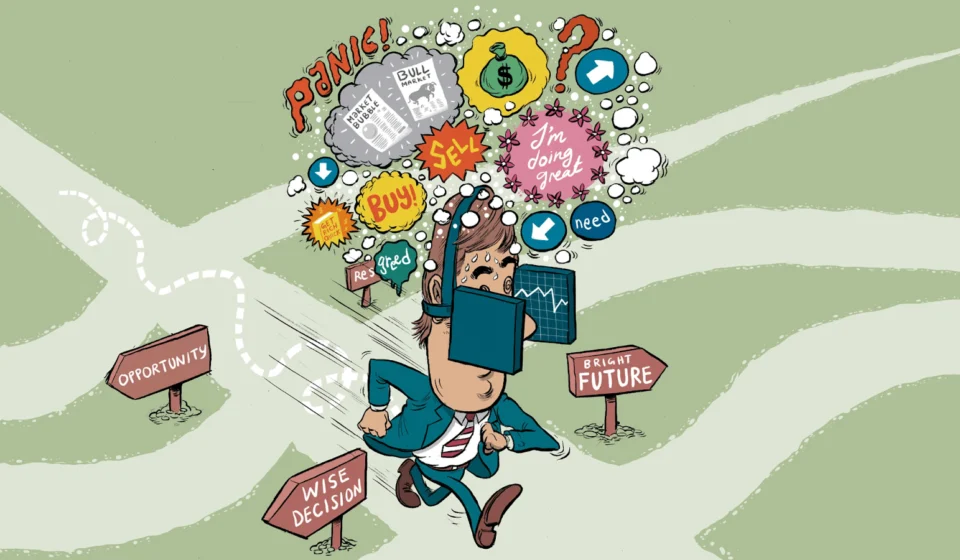

Most people assume they make money decisions logically.
They believe they analyze situations carefully, compare options rationally, and choose what makes the most financial sense.
But Behavioral Finance shows something very different.
When emotions become stronger, financial decision-making often becomes weaker.
Fear changes judgment.
Stress changes priorities.
Excitement changes risk tolerance.
Social pressure changes spending habits.
And once emotions take control, people frequently make financial decisions they later regret.
This is why Behavioral Finance became one of the most important areas of modern finance.
Because understanding money requires understanding human psychology too.
Financial Stress Changes the Way People Think
One of the most important ideas in Behavioral Finance is that stress directly affects decision-making.
When people feel financially calm, they usually think more rationally.
But when pressure increases, behavior changes quickly.
Bills pile up.
Unexpected expenses appear.
Debt grows.
Income feels uncertain.
And emotionally overwhelmed people often begin focusing only on short-term survival.
This creates impulsive decisions.
Borrowing emotionally.
Overspending for temporary relief.
Ignoring long-term consequences.
Behavioral Finance explains that stress reduces patience and increases emotional reactions.
Especially during uncertainty.
Humans Naturally Avoid Emotional Pain
People often believe financial decisions are driven mainly by logic.
But many decisions are actually driven by emotional avoidance.
For example:
Someone avoids checking bank accounts because financial reality feels stressful.
An investor refuses to sell a losing investment because accepting the loss feels emotionally painful.
A spender continues buying unnecessary things because temporary pleasure helps distract from stress or anxiety.
Behavioral Finance shows that humans frequently make financial decisions designed to reduce emotional discomfort — even when those decisions create bigger financial problems later.
Losses Feel Emotionally Heavier Than Gains
One of the most famous Behavioral Finance concepts is loss aversion.
Humans emotionally experience losses much more intensely than gains.
For example:
Losing money usually feels psychologically worse than gaining the same amount feels rewarding.
This affects behavior constantly.
Investors panic during downturns.
People hold losing investments too long.
Fear prevents rational financial decisions.
Behavioral Finance explains that emotional pain often becomes stronger than logical analysis during financial losses.
Modern Life Constantly Increases Financial Pressure
Today’s world creates nonstop emotional stimulation around money.
Advertisements everywhere.
Luxury lifestyles online.
Constant financial comparison.
People are exposed daily to messages suggesting:
- You need more
- You should upgrade
- You are behind
- You deserve better
This creates invisible emotional pressure.
And Behavioral Finance explains that repeated emotional exposure influences financial behavior far more than most people realize.
Especially when social media constantly amplifies comparison and status.
Social Comparison Quietly Influences Spending
Humans naturally compare themselves to others.
Friends.
Coworkers.
Influencers.
Strangers online.
Someone always appears richer, happier, or more successful financially.
This creates emotional discomfort.
And many people begin spending emotionally not because they truly need something…
But because they want to reduce feelings of inadequacy or social insecurity.
Behavioral Finance explains that spending is often connected to identity and emotional validation — not just practical needs.
Emotional Spending Creates Temporary Relief
Many purchases are emotionally motivated.
Stress shopping.
Impulse buying.
Luxury spending for confidence.
And emotionally, spending often creates temporary relief.
Buying something new creates stimulation and dopamine.
But Behavioral Finance explains that this emotional satisfaction usually fades quickly.
Meanwhile, the financial consequences often remain much longer.
Especially when spending is supported by debt.
Humans Prefer Immediate Rewards Over Future Benefits
Behavioral Finance also explains why long-term financial discipline feels psychologically difficult.
Humans naturally prioritize immediate gratification.
Spending today feels emotionally rewarding now.
Saving money creates delayed future benefits.
And psychologically, delayed rewards usually feel less emotionally powerful.
This is why many people:
- Delay investing
- Avoid budgeting
- Overspend impulsively
- Struggle to save consistently
Not because they lack intelligence…
But because human psychology naturally favors immediate emotional comfort.
Fear Also Prevents Financial Growth
Behavioral Finance is not only about overspending.
Fear also prevents many people from making positive financial decisions.
Fear of investing.
Fear of losing money.
Fear of uncertainty.
As a result, some people avoid financial opportunities completely because emotional safety feels more comfortable than calculated risk.
But emotionally avoiding all risk can quietly limit long-term financial growth too.
Financial Habits Become Emotionally Automatic
One of the most powerful ideas in Behavioral Finance is that repeated financial behavior eventually becomes automatic.
Daily habits shape long-term outcomes.
Impulse purchases.
Emotional spending.
Financial avoidance.
Consistent saving.
Over time, these behaviors become psychologically normal.
And because habits compound, small repeated actions quietly create major long-term consequences.
Good habits build stability slowly.
Bad habits build stress slowly.
Marketing Uses Behavioral Psychology Constantly
Modern marketing heavily depends on Behavioral Finance principles.
Limited-time offers.
Fear of missing out.
Luxury branding.
Emotional advertising.
Companies understand human psychology extremely well.
They know emotional reactions influence spending more than logic in many situations.
This is why emotional awareness became extremely important financially.
Because people who recognize psychological triggers often make calmer financial decisions.
Overconfidence Creates Financial Mistakes Too
Behavioral Finance also studies overconfidence.
After periods of financial success, people often begin believing they fully understand risks.
This creates dangerous behavior.
Overspending.
Aggressive investing.
Excessive borrowing.
Confidence can become emotionally misleading.
Especially during periods when everything appears financially easy.
Behavioral Finance explains that emotional confidence often increases risk-taking far beyond what logic would normally justify.
Financial Discipline Depends More on Systems Than Motivation
Many people believe financial success depends mainly on motivation.
But motivation changes constantly.
Behavioral Finance shows that systems are usually more reliable.
Automatic savings.
Budget structures.
Reduced spending temptations.
Systems reduce emotional decision-making.
And reducing emotional decisions often improves financial consistency dramatically.
Emotional Awareness Quietly Creates Financial Advantages
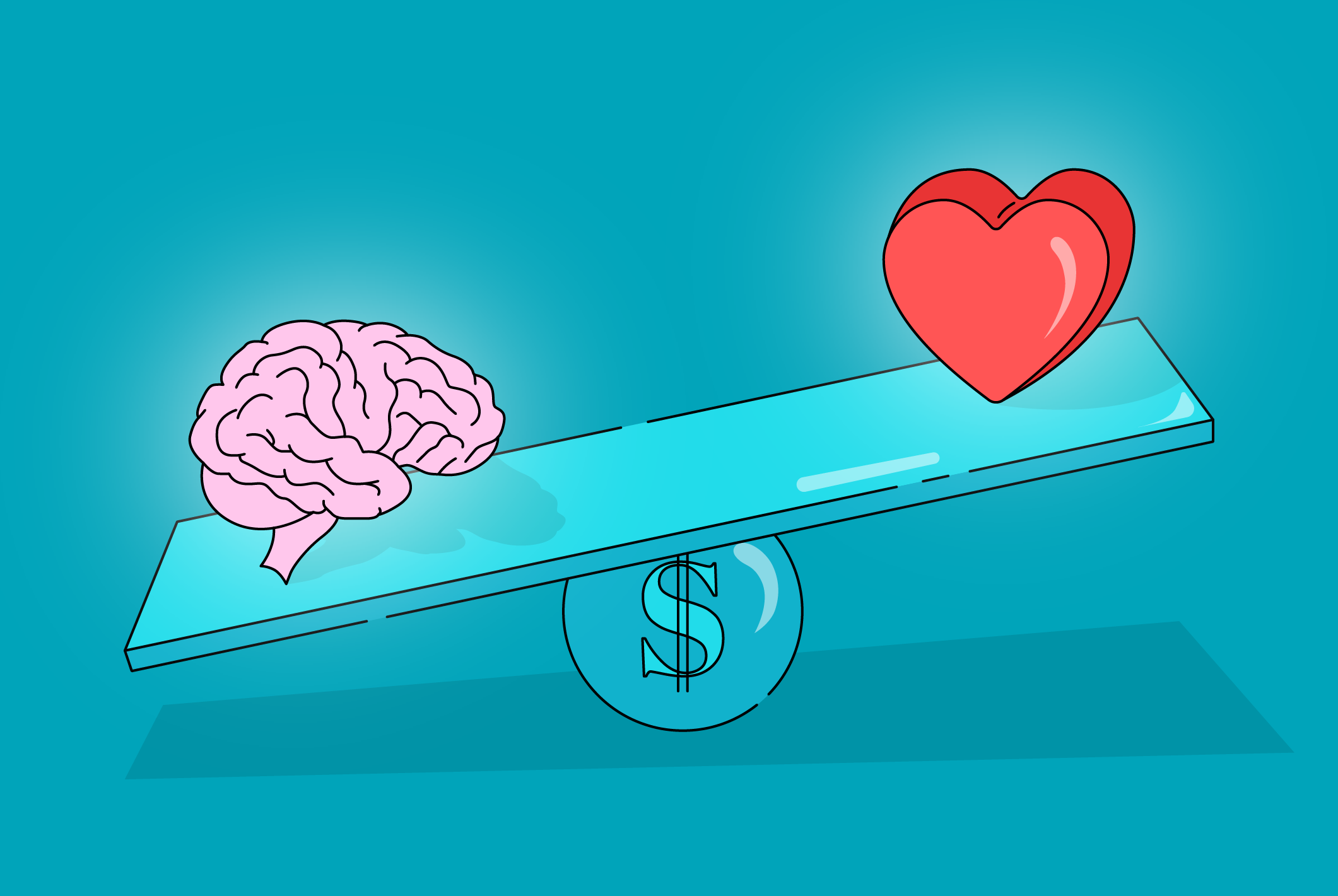
One of the biggest lessons from Behavioral Finance is that self-awareness creates enormous advantages.
People who understand emotional triggers often:
- Spend more intentionally
- Avoid impulsive financial decisions
- Save more consistently
- Handle stress more calmly
- Think longer-term
And over decades, avoiding repeated emotional mistakes becomes incredibly valuable financially.
Financial Decisions Are Deeply Human
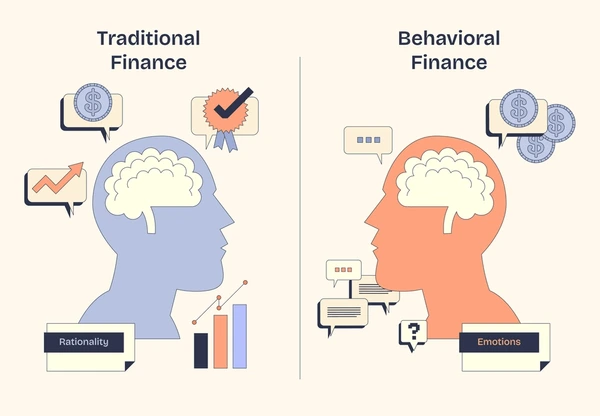
Behavioral Finance changed modern financial thinking because it recognized something traditional finance often ignored:
Humans are emotional.
And emotional behavior shapes money decisions constantly.
Fear influences investing.
Stress influences spending.
Social pressure influences debt.
Immediate gratification influences saving.
Understanding finance now requires understanding psychology too.
Because financial success is not only about math, income, or intelligence.
It is also about:
- Emotional discipline
- Self-awareness
- Psychological stability
- Long-term thinking
And in a world filled with nonstop advertising, social comparison, financial pressure, and emotional stimulation…
Those psychological skills quietly became some of the most valuable financial advantages anyone can develop.