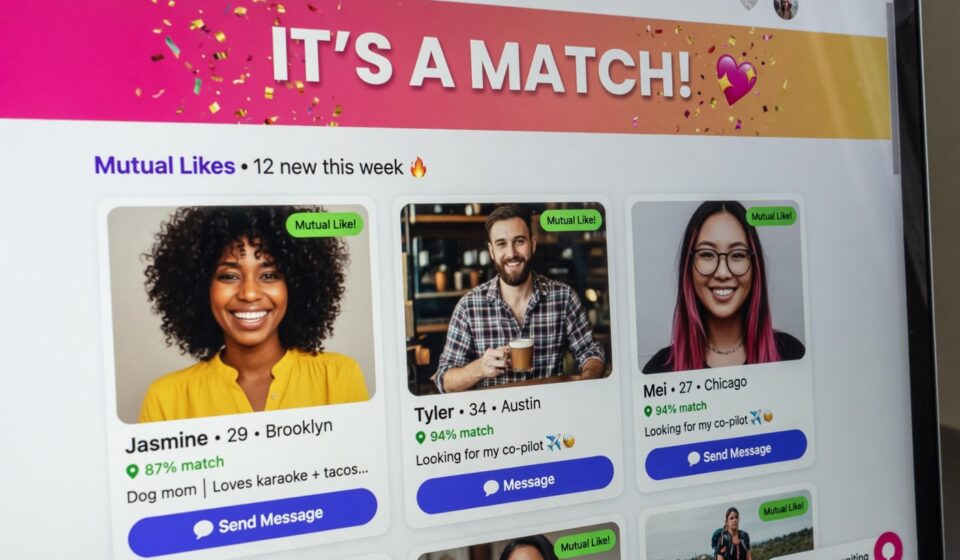

Online dating has revolutionized the way we meet people. It has broken down geographical barriers and made it possible to find connections in a crowded digital world. However, with the convenience of apps like Tinder and Bumble comes a hidden risk: the presence of fake profiles, scammers, and bots.
Whether you are looking for a long-term relationship or just a casual date, your online safety should always be your top priority. Understanding how to identify a fake profile is not about being cynical—it is about being smart. By learning the subtle (and sometimes obvious) signs of deception, you can protect your heart, your privacy, and your finances.
In this comprehensive guide, we will break down the tell-tale signs of fake profiles and provide you with actionable strategies to navigate the dating app landscape with confidence.
Why Do Fake Profiles Exist? Understanding the Motivators
To spot a fake, you must first understand why they are there. Not every fake profile is a lonely person looking to chat. In fact, most malicious profiles are automated or run by sophisticated operations with clear objectives:
-
The Financial Scam (The Long Con): This includes romance scams where the “person” on the other end builds trust over weeks or months, eventually asking for money for a fake emergency, travel, or a “can’t-miss” investment opportunity.
-
The Crypto/Investment Scam (Pig Butchering): This is a rising threat. Scammers establish a rapport, talk about their “success” in crypto or forex trading, and eventually coax the victim into downloading a fraudulent trading app.
-
The Marketing Bot: These profiles are designed to drive traffic to external websites, such as adult content platforms, cam sites, or affiliate marketing pages.
-
The Data Harvester: These scammers gather personal information—phone numbers, email addresses, and employment details—to commit identity theft or build lead lists.
-
The Ego-Seeker/Catfish: While less harmful, these people steal photos to live a fantasy life or simply to feel desired. They have no intention of ever meeting.
Understanding the why helps you identify the how. A person who seems “too perfect” is often hiding an ulterior motive.
The Photo Red Flags: First Impressions Can Be Deceptive
The most common way to fake a profile is by using someone else’s photos. Digital forensics—even at a basic level—is your first line of defense.
1. Reverse Image Searching
This is the most powerful tool in your arsenal. If you are suspicious of a profile:
-
How to do it: Take a screenshot of their profile photo. Use Google Images (on desktop) or TinEye to perform a reverse image search.
-
What you are looking for: If the photo shows up on a stock photography site, a modeling portfolio, or an Instagram account with a completely different name, you have caught a catfisher.
2. Lack of Variety
Real people have messy lives. They have photos from different times of the year, different environments, and different outfits. If a profile contains only four or five photos that all look like they were taken in a professional studio, or if they all look like they were taken in the exact same location on the same day, be cautious.
3. The “Influencer” Aesthetic
We all want to look our best, but there is a difference between a flattering photo and a staged editorial shot. Profiles that look like they belong to a professional lifestyle influencer are frequently stolen. If the photos are high-resolution, perfectly lit, and show a life of extreme luxury (private jets, yacht parties, constant vacations), ask yourself: would this person really be swiping on a local dating app in my city?
4. Facial Consistency
Check the details across different photos. Are the mole patterns the same? Is the hair color consistent? Does the bone structure match? Sometimes, scammers will use photos of two different people who look vaguely similar to create one fake persona.
Analyzing the Bio and Language Patterns
Once you move past the photos, the way a person speaks is a major indicator of their authenticity.
1. The “Generic” Bio
A fake profile often has a bio that is either completely empty or painfully generic. Look for phrases like “I love to travel, cook, and have fun,” or “Just looking for a good time.” While some real people have simple bios, scammers often use these generic templates because they are copy-pasting them into hundreds of profiles simultaneously.
2. Inconsistent Language Skills
If a profile claims to be a local professional living in Chicago or New York, but their grammar is riddled with strange syntax, awkward phrasing, or non-native idioms, be wary. While we should all be open-minded about cultural differences, a massive disconnect between their “background” (e.g., went to a local high school, grew up in the suburbs) and their actual command of the language is a major red flag.
3. The “Instant Intensity”
Fake profiles often move fast. If your match is telling you “I feel like I’ve known you my whole life” after three messages, or they are showering you with excessive compliments, they are likely trying to create an emotional dependency quickly. This is a tactic designed to lower your defenses before the “ask” (money, crypto, or personal info) comes later.
The Communication Trap: Signs of a Scammer in the Chat
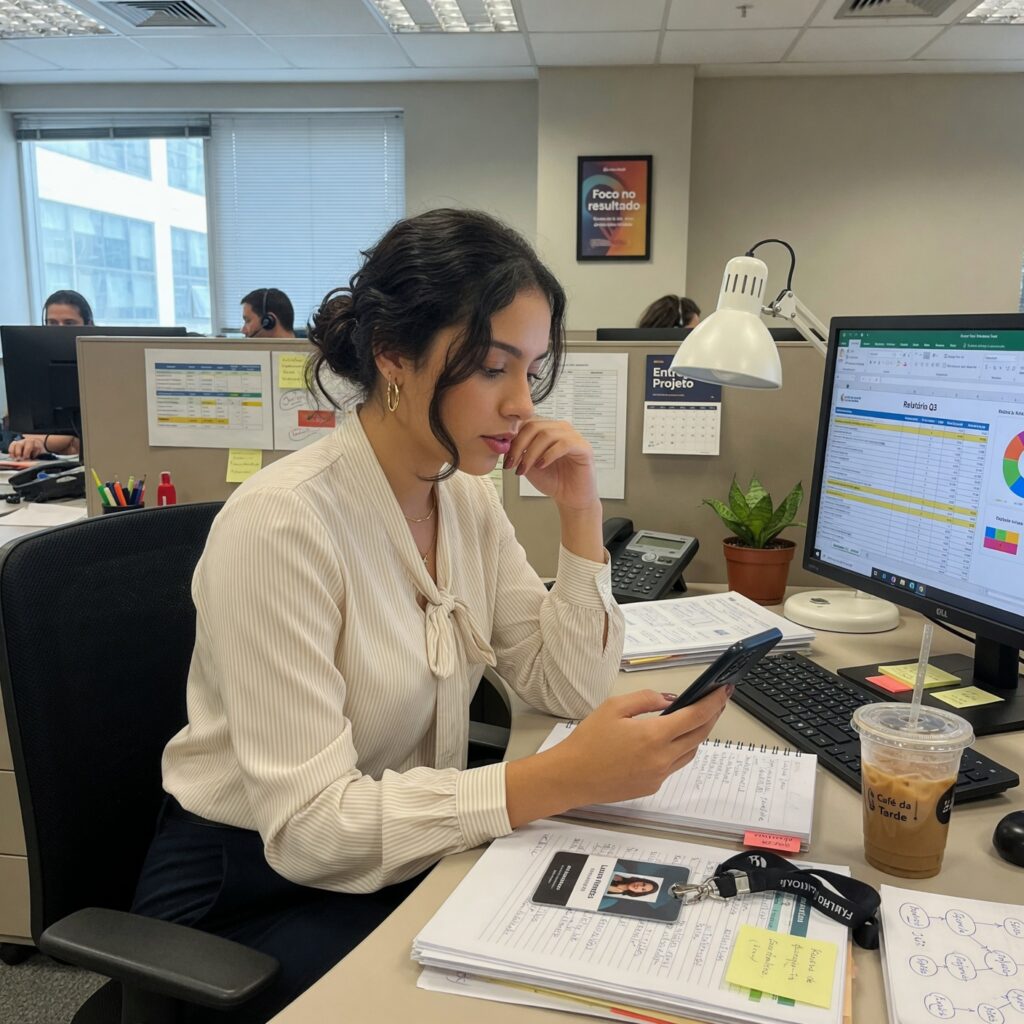
The chat phase is where the scam usually plays out. This is where you need to be the most vigilant.
1. Moving Off-Platform Immediately
This is the #1 rule: If they insist on moving the conversation to WhatsApp, Telegram, Signal, or Skype within the first few messages, be extremely suspicious.
Dating apps have safety protocols and reporting mechanisms. Scammers want to move you to an encrypted or less-monitored platform where they can control the communication, send links, and avoid being reported for suspicious behavior.
2. The “Too Busy for a Video Call” Excuse
This is the ultimate litmus test. If you suggest a video call to verify who they are, and they have an endless string of excuses—”My camera is broken,” “I’m currently traveling,” “I’m shy,” “I don’t like video calls”—they are not real. In the modern age, a simple 30-second video call is the standard for verifying identity. If they refuse, cut the conversation.
3. The “Emergency” Scenario
As you build rapport, the scammer will eventually hit you with a problem that only money can solve.
-
Common tropes: A medical emergency, a family crisis, or a business snag that has left them temporarily without access to their bank accounts.
-
The tell: They will often promise to pay you back in double or triple. No one you meet on a dating app should ever ask for financial assistance.
4. The Investment/Crypto Hook
If the conversation keeps steering back to their “investment success” or they keep showing you screenshots of trading accounts with high returns, stop talking. This is the classic “Pig Butchering” scam. They are grooming you to “invest” in a fake platform where your money will disappear instantly.
Technical Indicators: Verification and Links
Modern dating apps have introduced features to help us stay safe. While not foolproof, these tools provide a good baseline.
1. The Blue Checkmark (Verified Profiles)
On Tinder and Bumble, users can perform a photo verification process where they take a real-time selfie to match their profile photos. Always look for this badge. While it is possible for a clever scammer to bypass this, it is significantly harder. If a profile looks highly suspicious and is not verified, it is a major strike against them.
2. Linked Social Accounts
Check to see if their Instagram or Spotify is linked. Real people usually have a digital footprint that goes back years. If their Instagram has five photos, all posted in the last month, and they follow only models or crypto accounts, it is likely a burner account created to support the fake profile.
3. The “Ghost” Connection
If you have mutual friends on Facebook (which some apps display) or mutual followers on Instagram, reach out to them (if you are close enough) to ask if they actually know the person. Often, a scammer will use a photo of a person who doesn’t even know their image is being used.
The Psychology of the “Long Con”
It is important to remember that scams are not always about immediate gratification. Many romance scams are “long cons.” They will talk to you for weeks, ask about your day, and share “personal” stories to create a deep bond.
By the time they ask for money, you aren’t sending money to a stranger—you are sending money to a “friend” or “partner” you trust. This psychological manipulation is the most dangerous part of online dating. Always remember: the more perfect the person seems, the more carefully you should verify them.
What to Do If You Spot a Fake Profile
So, you have identified a fake. What now? Do not engage, do not argue, and do not try to “expose” them in the chat.
-
Report the Profile: Use the in-app reporting feature. Provide clear reasons (e.g., “Suspicious activity,” “Potential scammer,” “Used stolen photos”). This helps the app’s moderation team take down the profile and protect others.
-
Block and Unmatch: Cut off all communication immediately. Do not leave a door open.
-
Secure Your Accounts: If you shared any personal information (even seemingly innocent stuff like your pet’s name, your first school, or where you work), change your passwords on your sensitive accounts (banking, email, social media). These can be used for security questions.
-
Educate Others: If you matched with them on a major platform, there is a chance others have too. If you have the energy, posting a warning on community forums or local groups can help others avoid the same trap.
How to Stay Safe While Online Dating: Best Practices
Spotting a fake is only one part of the equation. Here is a quick checklist to maintain your safety throughout the entire dating process:
-
Never Send Money: This is the golden rule. No matter the sob story, the emergency, or the investment “opportunity,” never send money to someone you have not met in person.
-
Keep Your Information Private: Don’t share your home address, workplace, or financial information until you have established a long-term, trusted relationship.
-
Trust Your Gut: If something feels “off,” it probably is. You do not owe anyone a conversation. If you feel pressured, uncomfortable, or suspicious, you have the right to leave the conversation immediately.
-
The “First Date” Rule: Try to move from the app to an in-person meeting (in a public, safe space) reasonably quickly. Scammers generally avoid in-person meetings at all costs because they cannot maintain the lie in real life.
-
Use Public WiFi Caution: Avoid accessing sensitive apps or accounts when connected to unsecured public Wi-Fi networks.
Frequently Asked Questions (FAQs)
Q: Can a scammer be a real person?
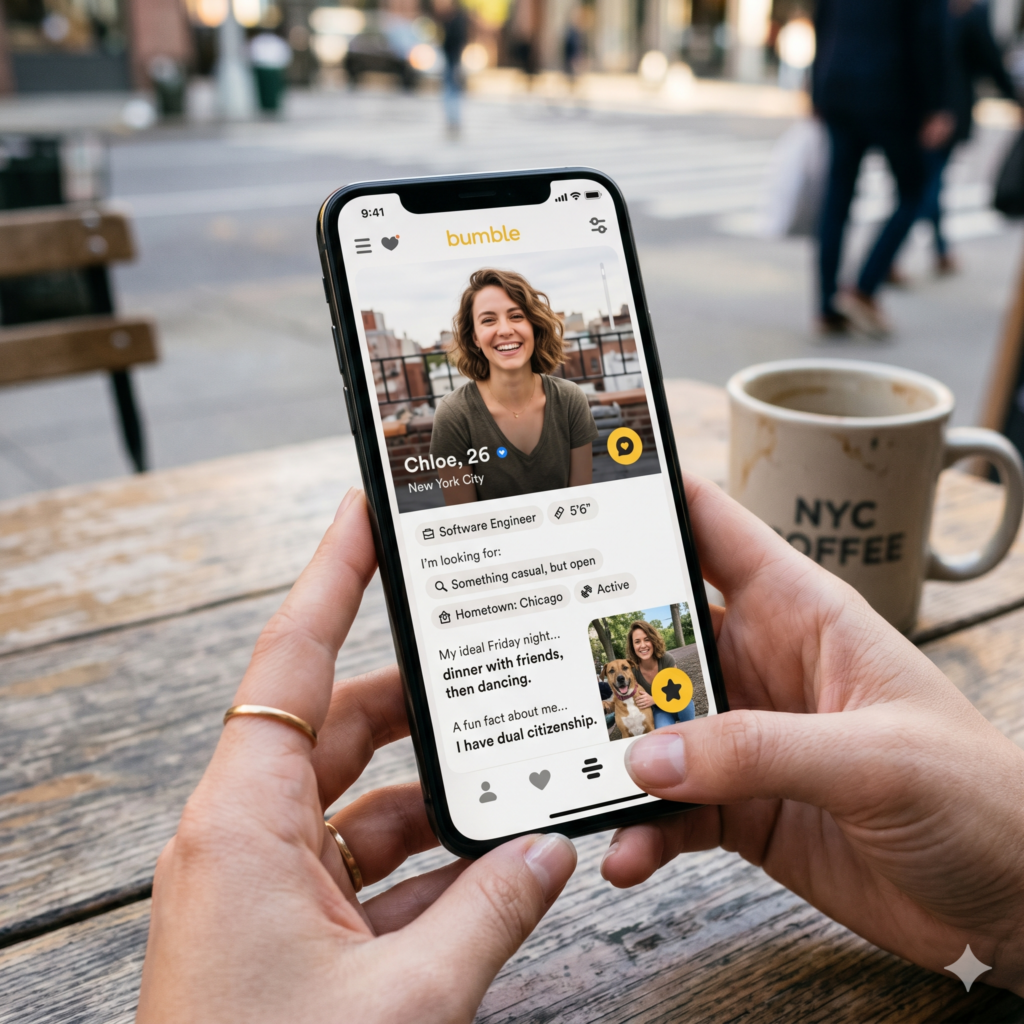
A: Yes. Many scams are run by “call center” style operations where real people chat with you. They may be engaging, funny, and seemingly authentic, but their goal is still to scam you. Never assume that because the person is funny and replies quickly, they are legitimate.
Q: Are all model-like profiles fake?
A: Not necessarily. Some people are genuinely attractive. However, if their profile is exclusively high-end fashion shots with zero “real life” context, proceed with extreme caution.
Q: Is it safe to link my Instagram?
A: It is a great way to verify your identity, but be aware of your privacy settings. Ensure your Instagram account is set to “Private” if you don’t want strangers viewing all your photos and family details.
Q: What is “Pig Butchering”?
A: It is a specific type of investment scam where a scammer builds a long-term relationship (“fattening the pig”) before convincing the victim to invest money in a fake platform (“slaughtering the pig”).
Stay Smart, Keep Dating
Online dating is meant to be fun, exciting, and rewarding. By staying aware of the signs of fake profiles, you aren’t closing yourself off to romance—you are clearing the path to find a genuine connection.
The digital world is full of amazing people waiting to meet you. Just remember that behind every screen is a person you cannot fully see. Take your time, trust your intuition, and verify who you are talking to. When you take the small, proactive steps to ensure your safety, you give yourself the freedom to focus on what really matters: finding someone special.
Stay vigilant, stay safe, and enjoy the journey of finding the right person. Happy swiping!