
When most people start investing, they focus almost entirely on one thing:
“What should I invest in?”
They search for the best stocks.
The best ETFs.
The fastest-growing companies.
The next big market trend.
But very few beginners stop to think about the platform they’re using to make those investments happen.
And that’s surprising.
Because your brokerage affects almost every financial decision you make.
Every trade.
Every investment.
Every deposit.
Every withdrawal.
Every emotional reaction during market volatility.
Everything passes through your broker.
Yet many people choose a brokerage account in less time than it takes to choose a movie online.
Usually based on:
- Social media advertisements
- Influencer sponsorships
- App design
- “Commission-free” promises
- Viral popularity
This creates a major problem.
Because while investments matter…
The environment where you invest matters too.
And over time, the wrong brokerage can quietly create costly mistakes, emotional behavior, unnecessary fees, and frustrating limitations.
The Explosion of Online Brokerages
A few decades ago, investing was far less accessible.
Most ordinary people relied on:
- Traditional banks
- Financial advisors
- Expensive brokers
- Phone-based trading
The process felt slow, expensive, and intimidating.
Then online brokerages changed the industry completely.
Technology made investing available to almost everyone with internet access.
Now investors can:
- Open accounts digitally
- Buy assets instantly
- Access international markets
- Invest using smartphones
- Track portfolios in real time
- Start with small amounts of money
This transformation democratized investing on a global scale.
Millions of people who previously ignored financial markets suddenly gained access to opportunities once limited to professionals and wealthy individuals.
But easier access also introduced a new challenge:
People entered markets before fully understanding how investing actually works.
Why Simplicity Can Become Dangerous
Modern brokerage apps are intentionally designed to feel simple.
And simplicity is helpful.
But sometimes it creates a false sense of confidence.
A beginner investor opens an app…
Presses a few buttons…
Buys a stock…
And suddenly feels like investing is easy.
But financial markets remain emotionally complex.
Prices still rise and fall unpredictably.
Fear still exists.
Greed still exists.
Panic still exists.
Technology simplified the interface.
It did not eliminate emotional decision-making.
And emotional decisions are still responsible for many investing losses today.
The Real Problem With Social Media Investing
Social media changed how people think about investing.
Instead of viewing investing as a long-term process, many now see it as fast entertainment.
Every day, investors are exposed to:
- Viral stock trends
- “Millionaire” stories
- Luxury lifestyles
- Trading screenshots
- Aggressive market predictions
This environment creates unrealistic expectations.
People begin believing investing should provide:
- Fast profits
- Constant excitement
- Instant success
But sustainable investing rarely feels exciting.
In reality, long-term investing often looks repetitive and emotionally boring.
And that’s exactly why many people struggle with it.
Humans naturally crave stimulation.
Patience feels uncomfortable.
Especially in a world addicted to instant results.
How Brokerages Shape Investor Behavior
Most people underestimate how much a brokerage platform influences psychology.
Different brokerages create different investing experiences.
Some platforms encourage:
- Long-term investing
- Portfolio building
- Financial education
- Strategic thinking
Others encourage:
- Constant trading
- Emotional reactions
- Frequent speculation
- Short-term hype
Features like push notifications, trending asset lists, and gamified interfaces can subtly increase impulsive behavior.
And impulsive behavior often becomes expensive behavior.
This is one reason why many investors underperform despite having access to excellent technology.
Because technology cannot fully protect people from emotional mistakes.
The Hidden Cost of Overtrading
Many beginner investors believe successful investing requires constant activity.
So they buy and sell repeatedly.
Reacting to news.
Following trends.
Chasing momentum.
But excessive trading often damages long-term performance.
Why?
Because every unnecessary trade introduces:
- Emotional pressure
- Timing risk
- Transaction costs
- Decision fatigue
Many successful investors actually trade very little.
They focus on:
- Long-term consistency
- Diversification
- Risk management
- Patience
The market often rewards discipline more than excitement.
But discipline rarely looks impressive online.
Why “Free Trading” Isn’t Always Truly Free

One of the biggest marketing tools in modern finance is zero-commission trading.
At first glance, it sounds incredible.
No trading fees.
No commissions.
Easy investing.
But smart investors understand something important:
Every brokerage still needs to generate revenue somehow.
Some platforms earn money through:
- Currency conversion spreads
- Premium subscriptions
- Margin lending
- Payment for order flow
- Withdrawal fees
This does not mean low-cost brokerages are bad.
Many are excellent.
But intelligent investors pay attention to transparency.
Because small hidden costs repeated over years can quietly reduce investment returns significantly.
And investing is usually a long-term game.
Security Should Never Be an Afterthought
Many investors focus heavily on profits while barely thinking about protection.
That’s risky.
Your brokerage account contains:
- Personal information
- Financial assets
- Banking connections
- Investment history
A strong brokerage should prioritize security seriously.
Reliable platforms often include:
- Two-factor authentication
- Fraud monitoring
- Encryption systems
- Withdrawal verification
- Regulatory oversight
Because protecting capital matters just as much as growing it.
Unfortunately, many investors only begin caring about security after experiencing problems.
By then, the consequences can already be significant.
Investing Is More Psychological Than Technical
Most people assume successful investing is mainly about intelligence.
But psychology often matters more.
The biggest investing mistakes usually happen during emotional moments:
- Buying from greed
- Selling from fear
- Chasing hype
- Panic reacting to volatility
- Following crowds blindly
This is why emotional discipline remains one of the most valuable investing skills in existence.
And no brokerage platform can completely automate emotional control.
Technology helps.
But mindset still matters enormously.
Why Long-Term Investors Usually Have an Advantage
The internet glorifies fast success.
But real wealth is usually built slowly.
Long-term investors benefit from:
- Compound growth
- Market recovery cycles
- Consistent investing
- Reduced emotional decisions
Over time, small disciplined actions can create extraordinary results.
But this process requires patience.
And patience feels difficult in a culture obsessed with immediate outcomes.
That’s why many investors abandon good strategies too early.
They become distracted by trends, fear, or unrealistic expectations.
Meanwhile, disciplined investors continue building quietly.
And over decades, consistency often beats intensity.
What Smart Investors Understand
Experienced investors eventually realize something important:
Successful investing is not about predicting every market movement correctly.
It’s about creating systems that work consistently over time.
That includes choosing:
- Strong investment strategies
- Good financial habits
- Reliable brokerage platforms
A good brokerage cannot guarantee profits.
But it can improve the investing experience dramatically through:
- Better tools
- Better education
- Better security
- Better structure
- Better long-term support
And over years of investing, small advantages compound.
Just like investments themselves.
The Bigger Lesson Behind Brokerages
Most people think brokerages are simply apps for buying stocks.
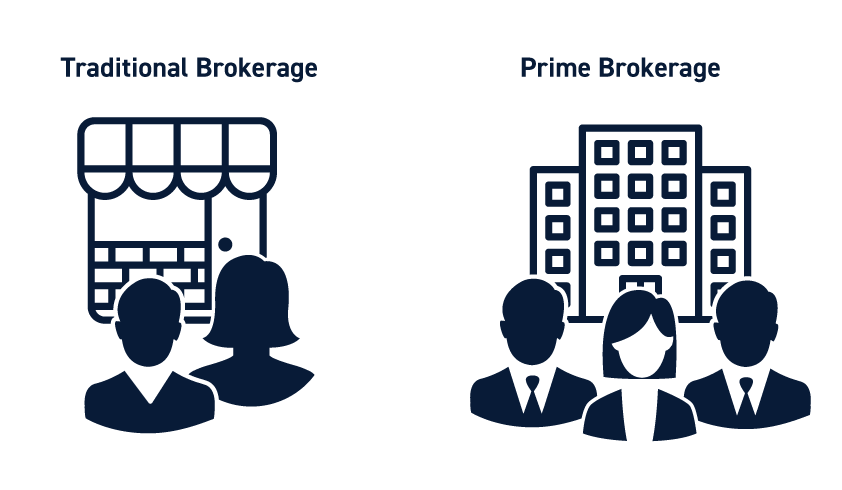
But they are much more than that.
They shape financial behavior.
They influence emotional decisions.
They affect investing habits.
And because investing is deeply connected to psychology, the environment surrounding your money matters more than most people realize.
The best investors understand this.
They know wealth is rarely built through constant excitement or lucky predictions.
It’s usually built through patience, discipline, intelligent systems, and long-term consistency.
And sometimes, one of the smartest financial decisions an investor can make is not choosing the perfect stock…
But choosing the right platform to stay invested long enough for time to work in their favor.