

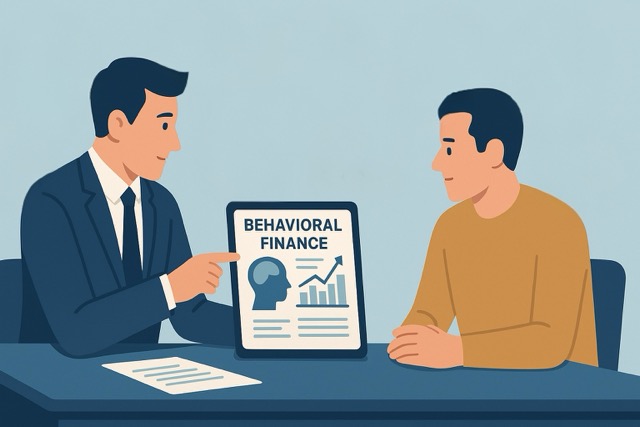
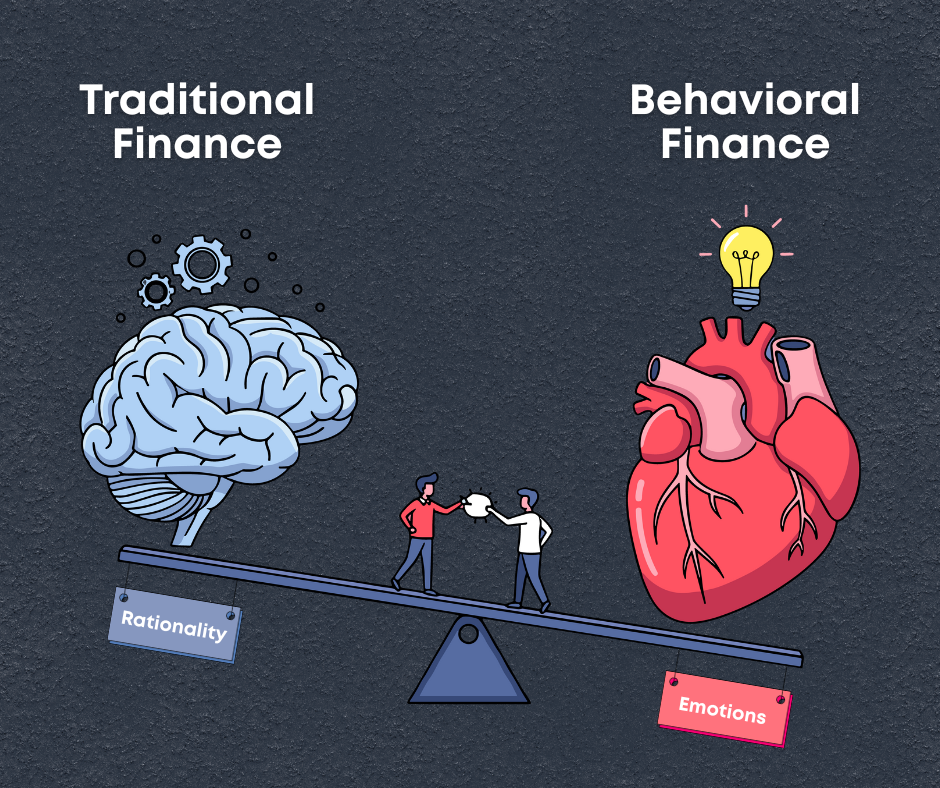
Behavioral Finance changed the way experts understand money because it revealed something traditional finance often ignored:
People are not perfectly rational.
Most financial decisions are influenced by emotions, habits, stress, social pressure, and psychological biases.
Even highly intelligent people make irrational financial choices regularly.
Not because they lack knowledge…
But because human behavior becomes emotional whenever uncertainty, fear, or desire enters the situation.
And in modern life, emotional pressure surrounding money became stronger than ever.
Financial Decisions Are Deeply Connected to Human Psychology
Money is not only mathematical.
It is emotional too.
People attach emotions to:
- Spending
- Saving
- Investing
- Debt
- Financial status
A purchase can create excitement.
Savings can create security.
Debt can create anxiety.
Investments can create fear.
Behavioral Finance studies these emotional reactions and explains how they influence long-term financial outcomes.
Because understanding numbers alone is often not enough.
Understanding behavior matters just as much.
Cognitive Biases Influence Financial Behavior Constantly
Human brains naturally use shortcuts when making decisions.
These shortcuts are called cognitive biases.
And while they help simplify complex situations, they also create financial mistakes.
For example:
People often believe recent market events will continue forever.
If stocks rise rapidly, optimism grows.
If markets crash, fear spreads instantly.
This creates emotional overreactions.
Behavioral Finance explains that humans naturally struggle to remain objective during emotionally intense financial situations.
Spending Habits Often Reflect Emotional States
Many spending decisions are emotional before they are logical.
People spend because they feel:
Stress.
Boredom.
Excitement.
Loneliness.
Insecurity.
Shopping creates temporary emotional stimulation.
A purchase may briefly create confidence, distraction, or pleasure.
But Behavioral Finance explains that emotional satisfaction from spending is often temporary.
Meanwhile, financial consequences can remain for months or years.
Especially when spending relies on debt.
Social Pressure Became a Major Financial Force
Modern culture constantly encourages comparison.
Luxury lifestyles online.
Social media success stories.
Visible wealth everywhere.
As a result, many people emotionally feel pressured to maintain appearances financially.
Behavioral Finance explains that humans naturally seek social belonging and validation.
And financially, this creates dangerous behavior.
Overspending to impress others.
Buying things for status.
Taking on debt to maintain lifestyles.
Many people spend emotionally not because they truly need something…
But because they fear feeling socially behind.
Fear Strongly Influences Financial Decisions
Fear affects financial behavior just as much as greed.
People avoid investing because uncertainty feels uncomfortable.
Investors panic during market downturns because losses feel emotionally painful.
Borrowers make desperate financial decisions during stressful situations.
Behavioral Finance explains that fear changes human behavior rapidly.
Stress reduces patience.
Reduces rational thinking.
Increases emotional decision-making.
And during financial uncertainty, emotions often become stronger than logic.
Loss Aversion Changes the Way People Handle Money
One of the most important Behavioral Finance concepts is loss aversion.
Humans usually experience financial losses more intensely than equivalent gains.
For example:
Losing money feels psychologically worse than gaining the same amount feels rewarding.
This influences behavior constantly.
People hold losing investments too long.
Avoid risks completely after bad experiences.
Panic during temporary downturns.
Behavioral Finance shows that emotional pain often shapes financial behavior more strongly than potential rewards.
Instant Gratification Became Financially Dangerous
Modern life rewards immediacy constantly.
Fast shopping.
One-click purchases.
Instant entertainment.
As a result, patience became increasingly difficult psychologically.
Behavioral Finance explains that humans naturally prioritize immediate emotional rewards over delayed future benefits.
This affects financial discipline heavily.
Saving money feels slow.
Investing feels uncertain.
Spending feels rewarding immediately.
And emotionally, immediate gratification often becomes more attractive than long-term financial stability.
Financial Stress Quietly Impacts Decision-Making
Financial stress changes human psychology significantly.
People under financial pressure often:
- Overspend emotionally
- Borrow impulsively
- Avoid financial planning
- Ignore long-term consequences
Stress creates mental overload.
And Behavioral Finance explains that overwhelmed people usually become more emotionally reactive financially.
This is why financial stability often improves emotional stability too.
Because calmer financial situations allow people to think more rationally and plan longer-term.
Emotional Investing Creates Inconsistent Results
Behavioral Finance became especially important in investing because markets constantly trigger emotions.
Fear during crashes.
Greed during rallies.
Panic during uncertainty.
Many investors emotionally:
- Buy during hype
- Sell during fear
- Chase trends impulsively
- Change strategies constantly
This creates inconsistency.
And inconsistent behavior usually creates inconsistent financial results.
Behavioral Finance explains that emotional discipline matters enormously in investing because intelligence alone does not prevent emotional mistakes.
Overconfidence Quietly Increases Financial Risk
One dangerous psychological bias is overconfidence.
After periods of success, many people begin believing:
- They fully understand markets
- Risks no longer matter
- Future success is guaranteed
This emotional confidence encourages dangerous behavior.
Oversized investments.
Aggressive spending.
Excessive borrowing.
Behavioral Finance explains that emotional confidence can become misleading, especially during periods of strong financial optimism.
Habits Quietly Shape Financial Futures
Behavioral Finance also highlights the power of repeated behavior.
Daily financial habits eventually become psychologically automatic.
Impulse purchases.
Consistent saving.
Emotional spending.
Financial avoidance.
Over time, repeated actions compound.
Good habits quietly build stability.
Bad habits quietly build stress.
And many people underestimate how much small daily behavior shapes long-term financial outcomes.
Marketing Uses Behavioral Finance Extremely Well
Modern advertising heavily depends on human psychology.
Limited-time offers.
Fear of missing out.
Luxury branding.
Emotional advertising.
Companies understand that humans often buy emotionally first…
Then justify purchases logically afterward.
Behavioral Finance explains why emotional awareness became financially valuable.
Because recognizing psychological triggers helps people make calmer decisions.
Systems Often Work Better Than Motivation
Motivation changes constantly.
Some days people feel disciplined.
Other days emotions take control.
Behavioral Finance explains that systems are usually more reliable than motivation alone.
Automatic savings.
Budgeting systems.
Investment automation.
Systems reduce emotional decision-making.
And reducing emotional reactions often improves financial consistency dramatically.
Financial Success Depends Heavily on Emotional Discipline
Many people believe financial success depends mostly on intelligence or income.
But Behavioral Finance shows behavior matters enormously too.
A person earning a high income can still struggle financially because of emotional decisions.
Meanwhile, someone with moderate income but disciplined habits may build strong long-term stability.
Because financial success is not only about money.
It is also about behavior.
Human Behavior Quietly Shapes Financial Outcomes
Behavioral Finance transformed modern economics because it recognized something simple but powerful:
Humans are emotional.
And emotional behavior influences financial outcomes constantly.
Fear influences investing.
Stress influences spending.
Social pressure influences debt.
Immediate gratification influences saving.
Understanding finance now requires understanding psychology too.
Because long-term financial stability often depends less on perfect intelligence…
And more on emotional awareness, discipline, and understanding how human behavior truly works.