
Borrowing Money Often Feels Helpful at First but Expensive Over Time

Loans are designed to solve immediate problems. Need a car? Finance it. Need to cover an emergency? Borrow money. Want to buy something expensive today? Pay later. And emotionally, this feels convenient. A loan creates instant relief. The problem appears…

Financial Decisions Become More Irrational When People Feel Emotionally Overwhelmed
Behavioral Finance studies something traditional financial theories often underestimated: Human emotions. For many years, finance focused heavily on numbers, logic, and rational decision-making. But real life repeatedly showed something different. People…

Financial Habits Are Often Built Emotionally Long Before They Become Financially Visible
Behavioral Finance explains something many people underestimate: Most financial outcomes begin as emotional patterns long before they become money problems. Debt often starts with emotional spending. Poor investing often starts with emotional reactions.…

Fear of Missing Out Quietly Drives More Financial Decisions Than Most People Realize
Behavioral Finance explains that people rarely make financial decisions completely independently. Human behavior is strongly influenced by emotions, social environments, and psychological pressure. And one of the strongest emotional forces in modern…

Emotional Biases Quietly Shape Almost Every Financial Decision
Behavioral Finance changed the way experts understand money because it revealed something traditional finance often ignored: People are not perfectly rational. Most financial decisions are influenced by emotions, habits, stress, social pressure, and…
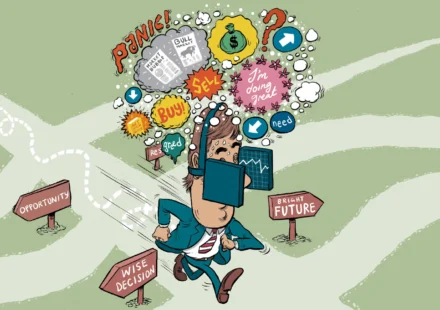
Why Financial Decisions Become Harder When Emotions Get Stronger
Most people assume they make money decisions logically. They believe they analyze situations carefully, compare options rationally, and choose what makes the most financial sense. But Behavioral Finance shows something very different. When emotions…

Why People Keep Spending Money Even When They Know They Should Save
One of the strangest things about money is that knowledge alone rarely changes behavior. Most people already know basic financial advice. Spend less. Save more. Avoid unnecessary debt. Think long-term. And yet, millions of intelligent people still…
Behavioral Finance Reveals Why Emotions Often Control Financial Decisions More Than Logic
Most people believe financial decisions are mainly rational. They assume people spend, save, borrow, and invest based on logic and careful analysis. But reality is much more complicated. Human beings are emotional. And emotions influence money decisions…
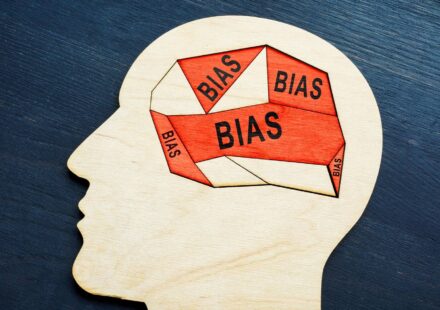
Behavioral Finance Shows That Money Decisions Are Rarely Completely Rational
Most people like to believe they make financial decisions logically. They assume they carefully analyze situations, compare options objectively, and make smart money choices based purely on facts. But real life usually works very differently. People…
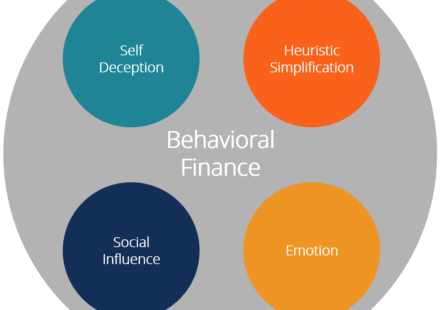
Behavioral Finance Explains Why Smart People Still Make Bad Money Decisions
For a long time, traditional finance assumed people made financial decisions logically. The idea seemed simple: People analyze information carefully… Compare risks rationally… Then make intelligent financial choices. But real life rarely works that way.…