
Loans are designed to make life feel easier in the present moment.
Need a car immediately?
Finance it.
Need help during an emergency?
Borrow money.
Want something expensive today?
Pay in installments later.
And emotionally, this system feels comfortable because the benefit arrives immediately while the financial consequences unfold slowly over time.
Behavioral Finance explains that humans naturally prioritize present emotional relief over future financial pressure.
This psychological tendency is one reason debt became such a central part of modern financial life.
Modern Borrowing Feels Fast, Simple, and Emotionally Safe
Today, borrowing money requires very little friction.
A few clicks online.
A credit card swipe.
An instant approval notification.
And psychologically, convenience changes behavior dramatically.
Behavioral Finance shows that when financial decisions become emotionally easy, people naturally become less cautious.
Because immediate rewards feel emotionally powerful while long-term repayment feels distant and abstract.
This creates an environment where borrowing becomes normalized quickly.
Debt Rarely Appears Dangerous in the Beginning
Most loans initially feel manageable.
The monthly payment seems reasonable.
The interest feels distant.
The financial pressure appears temporary.
But debt often grows gradually rather than dramatically.
One financing plan becomes several.
One credit card balance expands slowly.
One emergency loan leads to another financial obligation later.
And because these changes happen over time, many people emotionally adapt to rising debt levels without fully recognizing how much financial flexibility disappeared.
Monthly Payments Quietly Reshape Financial Priorities
One hidden effect of debt is how it changes daily financial behavior.
When large portions of income are already committed to repayments, priorities shift automatically.
People become more cautious about risks.
More dependent on stable income.
More vulnerable to emergencies.
Behavioral Finance explains that ongoing financial obligations create constant psychological pressure even when people appear financially stable externally.
Because mentally, future income already feels partially unavailable.
Emotional Spending Frequently Leads to Borrowing
Many borrowing decisions begin emotionally rather than strategically.
People spend because they feel:
Stressed.
Overworked.
Lonely.
Insecure.
Emotionally exhausted.
Modern financial systems make emotional spending incredibly easy.
Buy instantly.
Split the payment.
Worry later.
Behavioral Finance explains that emotional relief often feels more urgent than future consequences during stressful moments.
But temporary emotional comfort frequently creates long-term financial pressure afterward.
Interest Quietly Extends Financial Stress
One major reason debt becomes overwhelming is interest.
Many borrowers focus only on monthly affordability.
But interest dramatically changes total repayment costs over time.
Especially with:
- Credit cards
- Revolving balances
- High-interest personal loans
A relatively small purchase can eventually cost far more than expected.
And psychologically, repayment becomes frustrating because the emotional excitement from the original purchase disappears quickly while financial obligations continue for months or years.
Lifestyle Inflation Encourages More Borrowing
As income rises, spending often rises too.
Behavioral Finance calls this lifestyle adaptation.
People gradually normalize:
More expensive apartments.
Luxury subscriptions.
Higher car payments.
Frequent upgrades.
And emotionally, these expenses quickly stop feeling optional.
They begin feeling necessary.
This creates dangerous financial patterns because higher earnings no longer improve financial freedom if obligations rise alongside income.
Sometimes debt increases faster than income itself.
Social Comparison Quietly Increases Debt
Modern culture constantly promotes visible success.
Luxury lifestyles online.
Expensive vacations.
Designer products.
Status through consumption.
Behavioral Finance explains that humans naturally compare themselves socially.
And emotionally, comparison creates pressure.
Many people borrow money not because they truly need something…
But because they fear appearing financially behind socially.
This creates spending behavior driven more by emotional validation than long-term financial stability.
Financial Stress Changes Human Decision-Making
Behavioral Finance shows that stress strongly influences financial behavior.
People under financial pressure often become:
- More emotionally reactive
- More impulsive
- Less patient
- More short-term focused
Stress reduces rational long-term thinking.
This creates dangerous cycles:
Debt creates stress.
Stress creates emotional decisions.
Emotional decisions create additional financial pressure.
Without intervention, these cycles can continue for years.
Debt Quietly Reduces Future Freedom

One hidden cost of loans is reduced future opportunity.
Debt limits choices.
The ability to:
- Save aggressively
- Invest consistently
- Change careers
- Handle emergencies calmly
- Build long-term wealth
When large portions of income already belong to repayment obligations, flexibility gradually disappears.
And many people do not fully recognize this until financial pressure becomes emotionally overwhelming.
Emergency Borrowing Often Creates Long Recovery Periods
Not all borrowing comes from unnecessary spending.
Many people enter debt because of emergencies.
Medical bills.
Unexpected repairs.
Job loss.
Family crises.
Without savings, borrowing may feel unavoidable.
And sometimes it truly is necessary.
But emergency debt often creates long-term recovery periods afterward.
One difficult moment can create years of financial pressure.
This is why emergency savings matter psychologically as much as financially.
They reduce panic and create emotional stability during uncertainty.
Digital Payments Changed Consumer Psychology
Behavioral Finance also studies how payment systems influence behavior.
Cash creates emotional friction.
People physically feel money leaving their hands.
Digital payments reduce that emotional sensation dramatically.
Tap.
Swipe.
Purchase instantly.
This reduced friction increases spending because purchases feel less emotionally painful during the moment of consumption.
And this psychological shift heavily contributed to rising consumer debt worldwide.
Higher Income Alone Does Not Eliminate Financial Pressure
Many people believe earning more money automatically creates financial stability.
But behavior matters enormously too.
A person earning a high income can still feel financially trapped because of uncontrolled borrowing and lifestyle inflation.
Meanwhile, someone with moderate income but disciplined financial habits may build much greater long-term stability.
Because financial freedom depends not only on income…
But also on controlling obligations carefully.
Savings Create Emotional Breathing Room
Emergency savings reduce dependence on loans dramatically.
Savings create psychological stability.
They reduce panic.
Reduce desperation.
Reduce financial anxiety.
People with savings usually make calmer financial decisions because they have options during difficult situations.
And financially, options create freedom.
Borrowing Becomes Dangerous When Debt Replaces Financial Planning
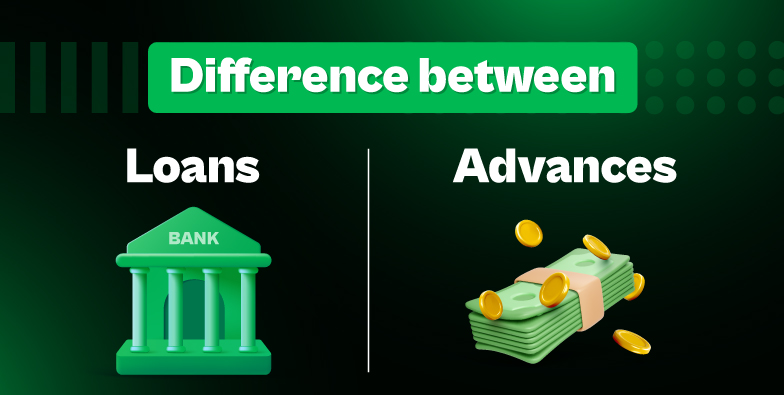
Loans become especially risky when borrowing replaces long-term planning entirely.
Using debt repeatedly to:
- Cover overspending
- Maintain appearances
- Solve recurring financial problems
- Support unsustainable lifestyles
Eventually creates emotional and financial exhaustion.
Because every borrowed dollar eventually demands repayment.
Usually with interest.
And over time, those obligations quietly reduce peace of mind, flexibility, and long-term independence.
Sustainable Financial Stability Usually Looks Simple
Modern culture glorifies visible consumption.
Luxury.
Status.
Instant gratification.
But sustainable financial stability usually looks much quieter.
Controlled spending.
Careful borrowing.
Emergency savings.
Long-term planning.
These habits may not attract attention online…
But they create something far more valuable in real life:
Peace of mind.
And in a world where borrowing became emotionally easy and socially normalized…
Learning how to manage debt carefully may quietly become one of the most valuable financial skills anyone can develop.