
Financial Decisions Become More Irrational When People Feel Emotionally Overwhelmed

Behavioral Finance studies something traditional financial theories often underestimated: Human emotions. For many years, finance focused heavily on numbers, logic, and rational decision-making. But real life repeatedly showed something different. People…

Fear of Missing Out Quietly Drives More Financial Decisions Than Most People Realize
Behavioral Finance explains that people rarely make financial decisions completely independently. Human behavior is strongly influenced by emotions, social environments, and psychological pressure. And one of the strongest emotional forces in modern…
Behavioral Finance Reveals Why Emotions Often Control Financial Decisions More Than Logic
Most people believe financial decisions are mainly rational. They assume people spend, save, borrow, and invest based on logic and careful analysis. But reality is much more complicated. Human beings are emotional. And emotions influence money decisions…
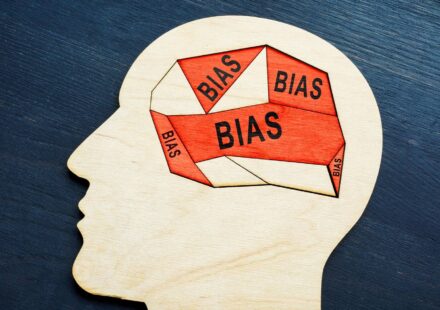
Behavioral Finance Shows That Money Decisions Are Rarely Completely Rational
Most people like to believe they make financial decisions logically. They assume they carefully analyze situations, compare options objectively, and make smart money choices based purely on facts. But real life usually works very differently. People…
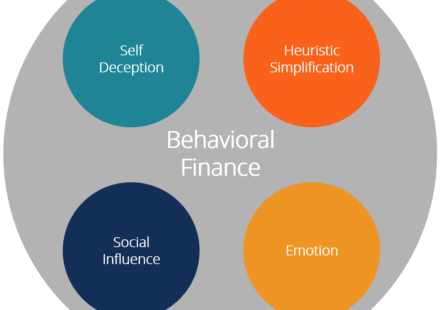
Behavioral Finance Explains Why Smart People Still Make Bad Money Decisions
For a long time, traditional finance assumed people made financial decisions logically. The idea seemed simple: People analyze information carefully… Compare risks rationally… Then make intelligent financial choices. But real life rarely works that way.…

Many Stock Investors Confuse Market Noise With Real Investing
One of the biggest problems in modern stock investing is the amount of noise surrounding the market every single day. Breaking news. Viral opinions. Market predictions. Social media reactions. Every hour, investors are exposed to new information telling…

The Stock Market Punishes Emotional Decisions Faster Than Most People Expect
Many people enter the stock market believing investing is mainly about intelligence. They focus on: Stock analysis Financial reports Economic news Market trends And while knowledge absolutely matters, many investors eventually discover something much…
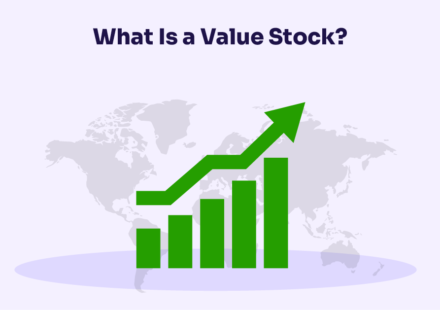
Stock Investing Becomes Much Easier Once You Stop Expecting Constant Growth
One of the biggest emotional mistakes stock investors make is believing the market should always move upward smoothly. People enter the stock market expecting growth to feel consistent. They imagine: Steady gains Predictable progress Constant portfolio…
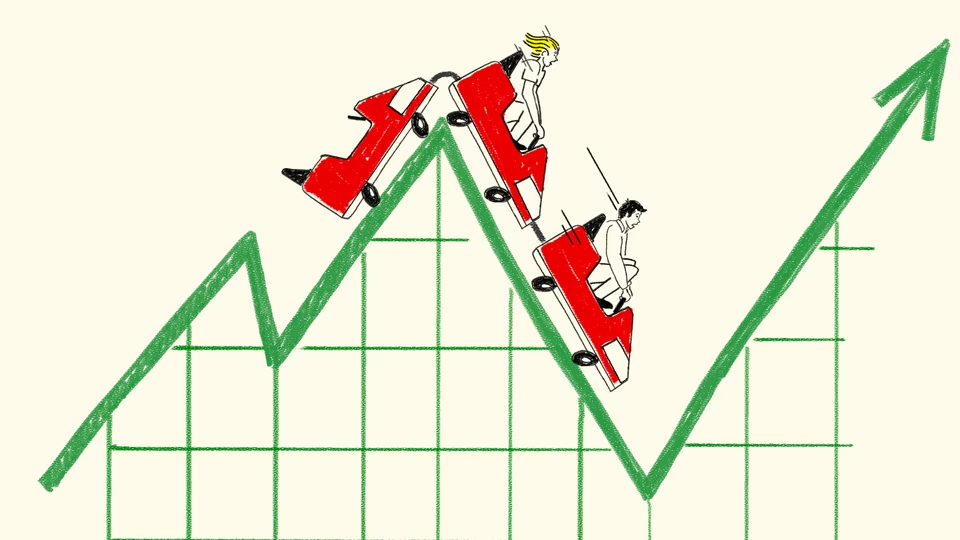
Most People Enter the Stock Market Looking for Money but Leave With Emotional Lessons
Almost everyone starts investing in stocks for the same reason: To make money. Financial freedom. Wealth. A better future. More security. And in the beginning, the stock market often feels exciting. Buying shares feels empowering. Watching prices move…
The Stock Market Rewards Discipline Long Before It Rewards Investors Financially
Many people enter the stock market expecting quick financial results. They imagine rapid portfolio growth. Fast profits. Immediate progress. And during the beginning, investing often feels exciting. Buying shares feels productive. Watching stock prices…