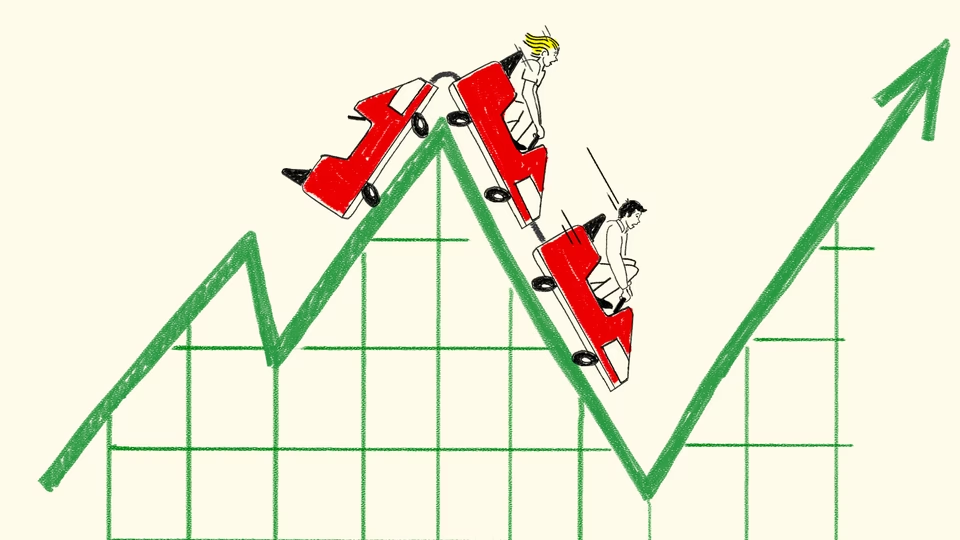

One of the biggest emotional mistakes stock investors make is believing the market should always move upward smoothly.
People enter the stock market expecting growth to feel consistent.
They imagine:
- Steady gains
- Predictable progress
- Constant portfolio growth
And during strong markets, this expectation feels reasonable.
Stocks rise.
Portfolios grow.
Confidence increases.
But eventually, reality changes.
Markets become volatile.
Prices fall.
Fear spreads.
And many investors suddenly feel emotionally unprepared for something completely normal:
Uncertainty.
Because uncertainty is not a flaw in the stock market.
It is part of the stock market.
Modern Investing Culture Creates Unrealistic Expectations
Social media dramatically changed investor psychology.
Every day, people see:
- Huge gains
- Viral stock trades
- Luxury lifestyles
- “Easy money” stories
- Massive portfolio screenshots
This creates emotional pressure.
Many investors begin believing successful stock investing should create rapid wealth with minimal discomfort.
But sustainable investing rarely works that way.
Real stock investing usually involves:
- Patience
- Volatility
- Emotional discipline
- Long-term thinking
And because disciplined investing is not visually exciting, many people underestimate how important emotional control becomes over time.
Rising Markets Create Emotional Confidence Quickly
Bull markets can make investing feel deceptively easy.
When stocks rise consistently, many investors begin feeling increasingly confident.
They start believing:
- Markets will continue rising
- Risk is smaller than it actually is
- Aggressive investing is safe
This emotional confidence encourages dangerous behavior.
People begin:
- Taking oversized positions
- Ignoring diversification
- Chasing hype
- Investing emotionally
And during strong markets, risky behavior may temporarily appear intelligent.
But markets never move upward forever.
Eventually, volatility returns.
And emotionally aggressive investors often realize too late how much risk they were carrying.
Fear Changes Investor Behavior Faster Than Logic
When stock prices fall sharply, psychology changes immediately.
Confidence disappears quickly.
Fear spreads rapidly.
And emotionally stressed investors begin questioning everything.
Should they sell?
Will markets recover?
Did they make a mistake?
This emotional uncertainty creates panic.
And panic often leads to impulsive decisions made during the worst possible moments.
Most investing mistakes happen emotionally during uncertain periods — not during calm periods.
Because fear changes behavior much faster than logic.
Great Stocks Still Experience Volatility
Many beginner investors emotionally assume strong companies should always produce rising stock prices.
But markets do not work that way.
Even excellent businesses experience:
- Temporary declines
- Investor fear
- Economic slowdowns
- Market overreactions
- Industry pressure
And investors who emotionally expect smooth upward growth often panic during perfectly normal volatility.
Meanwhile, experienced investors usually understand something important:
Short-term stock price movements do not always reflect long-term business quality.
Constant Portfolio Monitoring Creates Emotional Fatigue
Modern investing apps made stock market access incredibly convenient.
But they also created nonstop emotional stimulation.
Many investors now check portfolios constantly throughout the day.
Every movement feels urgent.
Every headline feels important.
This creates emotional exhaustion.
Because stock prices naturally fluctuate constantly.
And emotionally attaching yourself to every movement often increases stress without improving long-term investing performance significantly.
Long-term investors usually benefit more from patience than nonstop monitoring.
Social Media Intensified Investor Comparison
Comparison became one of the biggest psychological challenges in modern investing.
Someone always appears:
- Richer
- More successful
- Making larger gains
- Growing faster financially
This creates invisible emotional pressure.
Many investors begin taking unnecessary risks because they feel financially behind.
But stock investing is deeply personal.
Every investor has different:
- Goals
- Risk tolerance
- Financial situations
- Time horizons
And comparison usually damages emotional discipline more than it improves financial performance.
Diversification Protects Emotional Stability Too
Many people think diversification only reduces financial risk.
But diversification also protects emotional stability.
When investors place too much money into one stock, emotional pressure becomes overwhelming.
Every price movement feels personal.
Diversification reduces emotional intensity.
It allows investors to think more rationally during volatility.
And emotionally rational investors usually make better long-term decisions.
Compounding Requires Patience Most People Struggle With
One of the greatest powers in stock investing is compounding.
But compounding requires time.
And emotionally, time often feels frustratingly slow.
Especially during the beginning.
Small portfolio growth may initially appear insignificant.
This frustrates many investors because modern culture trained people to expect immediate visible rewards.
Fast entertainment.
Fast shopping.
Fast success.
But wealth through stocks usually grows gradually before accelerating later.
And the investors who benefit most are often not the most emotional or aggressive.
They are usually the most consistent.
Because consistency allows compounding to work.
Emotional Investing Usually Leads to Inconsistency
Many investors constantly react emotionally to market conditions.
Buying during excitement.
Selling during fear.
Changing strategies impulsively.
This creates inconsistency.
And inconsistent investing usually produces inconsistent long-term results.
Successful stock investing is often built through systems.
Consistent systems.
Disciplined systems.
Long-term systems.
Not emotional reactions to short-term volatility.
Long-Term Investors Usually Think Differently
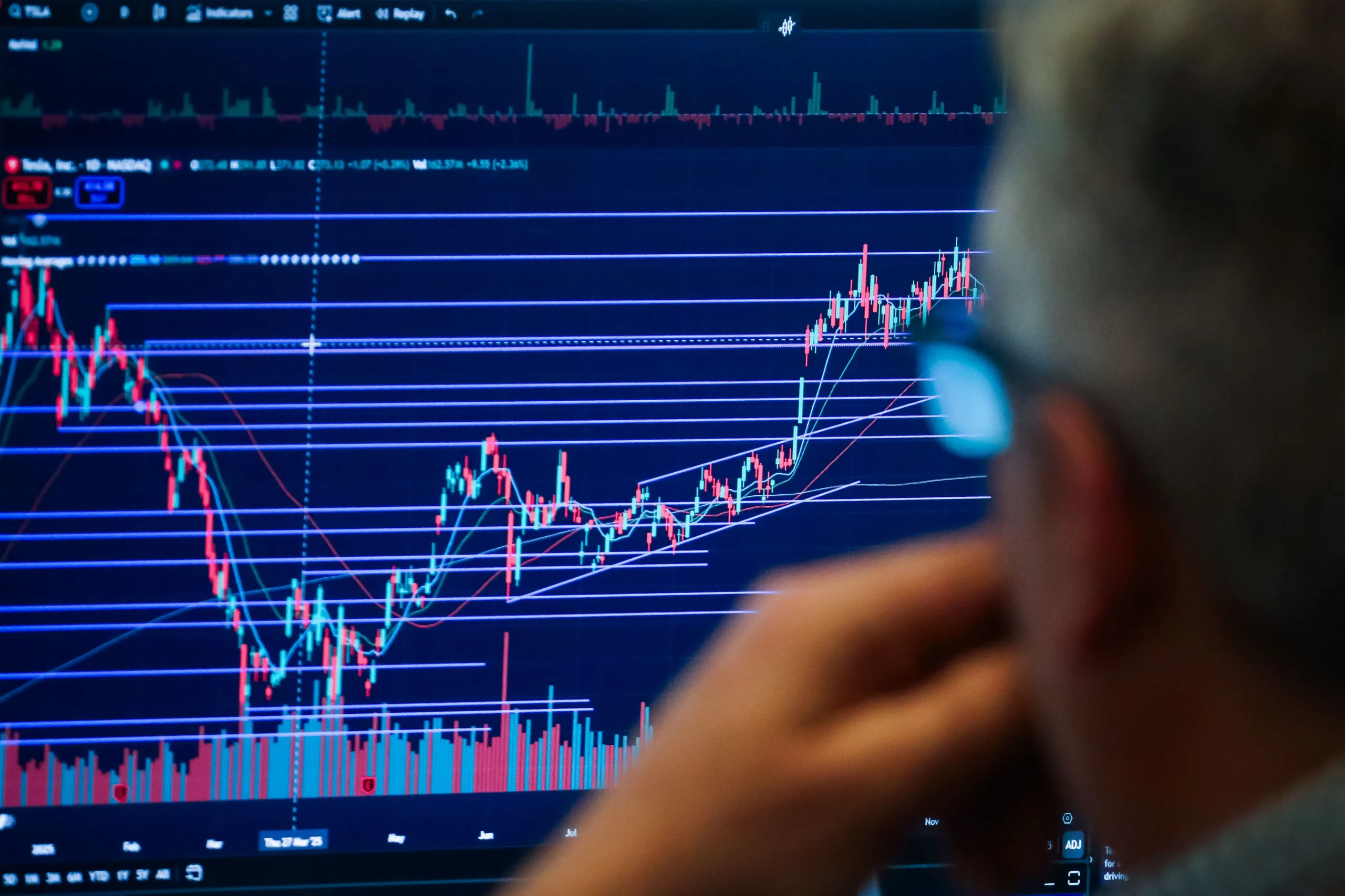
Experienced stock investors often focus less on short-term market noise and more on long-term ownership.
They understand:
- Markets fluctuate naturally
- Volatility is normal
- Fear is temporary
- Great businesses need time
This emotional perspective creates enormous long-term advantages.
Because investors who remain calm during uncertainty usually avoid the panic decisions that damage financial growth.
Emotional Stability Quietly Creates Wealth
One of the most underrated investing advantages is emotional calmness.
Not reacting impulsively.
Not chasing hype.
Not panicking during downturns.
This sounds simple…
But emotionally, it becomes extremely difficult during uncertain markets.
Especially when fear spreads constantly online.
And yet, emotionally disciplined investors often outperform reactive investors simply because they avoid unnecessary mistakes repeatedly over time.
Sustainable Wealth Through Stocks Usually Looks Quiet
The internet made stock investing look dramatic.
Huge profits.
Luxury lifestyles.
Fast money.
But sustainable wealth-building through stocks usually looks much quieter.
Patience.
Consistency.
Controlled behavior.
Long-term ownership.
These habits may not attract online attention…
But they create something far more valuable in real life:
Financial stability.
And financial stability gradually becomes freedom.
Freedom from panic.
Freedom from emotional financial pressure.
Freedom to think long-term instead of constantly reacting emotionally.
The Market Rewards Investors Who Stay Disciplined During Uncertainty
The stock market will always involve uncertainty.
Fear will always exist.
Volatility will always exist.
Market corrections will always exist.
But investors who emotionally accept this reality usually make better long-term decisions.
Because successful stock investing is rarely about avoiding uncertainty completely.
It is about remaining disciplined despite uncertainty.
And in a world filled with nonstop market noise, hype, comparison, and emotional pressure…
That discipline may quietly become one of the greatest financial advantages any investor can develop.