
One of the strangest things about money is that knowledge alone rarely changes behavior.
Most people already know basic financial advice.
Spend less.
Save more.
Avoid unnecessary debt.
Think long-term.
And yet, millions of intelligent people still struggle financially every year.
Not because they are incapable of understanding money…
But because financial behavior is deeply emotional.
This is one of the central ideas behind Behavioral Finance.
Behavioral Finance studies how psychology influences financial decisions.
And one of its most important lessons is simple:
Humans do not make money decisions purely with logic.
They make them emotionally.
Spending Often Feels Emotional Before It Feels Financial
Most purchases are not purely rational.
People rarely buy things only because they “need” them.
They also buy because of emotions.
Stress.
Boredom.
Insecurity.
Excitement.
Social pressure.
Shopping often creates temporary emotional relief.
A new product creates dopamine.
A purchase creates excitement.
Spending creates stimulation.
Behavioral Finance explains that money decisions are strongly connected to emotional reward systems inside the brain.
This is why emotional spending becomes so common.
Modern Culture Constantly Encourages Consumption

Today’s world is designed to encourage spending constantly.
Advertisements appear everywhere.
Social media promotes luxury lifestyles.
Online shopping became instant.
People are exposed daily to messages saying:
- Buy now
- Upgrade now
- You deserve this
- Don’t miss out
And psychologically, repeated exposure influences behavior.
Behavioral Finance recognizes that humans are highly affected by environments.
Especially emotional environments.
When spending becomes culturally normalized, saving money often begins feeling emotionally restrictive instead of financially intelligent.
Social Comparison Quietly Increases Spending
One of the strongest psychological forces connected to money is comparison.
People constantly compare themselves to others.
Friends.
Coworkers.
Influencers.
Strangers online.
Someone always appears:
- Richer
- More successful
- Living better
- Buying more expensive things
This creates invisible emotional pressure.
Many people begin spending emotionally not because they truly want something…
But because they want to avoid feeling behind socially.
Behavioral Finance explains that financial behavior is heavily influenced by status, identity, and social belonging.
Humans Naturally Prefer Immediate Rewards
Behavioral Finance also explains why saving money feels psychologically difficult.
Humans are naturally attracted to immediate gratification.
Buying something today creates immediate emotional pleasure.
Saving money creates delayed future benefits.
And psychologically, delayed rewards usually feel weaker emotionally than immediate rewards.
This is why people often:
- Overspend impulsively
- Delay investing
- Avoid budgeting
- Struggle with long-term financial discipline
Not because they lack intelligence…
But because human psychology naturally prioritizes short-term emotional rewards.
Credit Cards Changed Spending Behavior Dramatically
One of the biggest psychological shifts in modern finance came from digital payments and credit cards.
Cash creates emotional friction.
People physically see money leaving their hands.
Digital spending feels emotionally easier.
Swipe.
Tap.
Buy now.
Behavioral Finance shows that reducing payment friction increases spending behavior dramatically.
Because emotionally, digital spending feels less “painful” than physical cash spending.
This is one reason many people spend more than they realize.
Emotional Stress Increases Financial Mistakes
Financial stress changes human behavior significantly.
When people feel overwhelmed emotionally, they often make worse money decisions.
Overspending emotionally.
Borrowing impulsively.
Ignoring long-term consequences.
Stress reduces patience.
Reduces rational thinking.
Increases short-term emotional decision-making.
Behavioral Finance explains that emotional pressure can dramatically reduce financial discipline.
Especially during difficult periods.
Lifestyle Inflation Happens Quietly
One important Behavioral Finance concept is lifestyle adaptation.
As income increases, spending often increases too.
A better salary quickly becomes a bigger lifestyle.
Better apartment.
Better car.
More subscriptions.
More expensive habits.
And emotionally, these upgrades quickly start feeling “normal.”
Behavioral Finance explains that humans adapt psychologically to improved lifestyles very fast.
This creates a dangerous cycle where financial expectations continuously rise alongside income.
People Often Confuse Wants With Emotional Needs
Many financial decisions are emotionally justified.
People tell themselves:
- “I worked hard.”
- “I deserve this.”
- “This will make me happier.”
And sometimes spending genuinely improves quality of life.
But Behavioral Finance explains that emotional spending often creates temporary satisfaction instead of lasting fulfillment.
The emotional excitement fades quickly…
But the financial consequences often remain much longer.
Especially when spending is financed through debt.
Fear Also Influences Financial Decisions
Behavioral Finance is not only about spending.
Fear influences money decisions too.
People avoid investing because they fear losses.
Avoid opportunities because uncertainty feels uncomfortable.
Keep money stagnant because emotional safety feels more important than long-term growth.
Fear can become just as financially damaging as impulsive spending.
Because emotionally avoiding risk entirely can limit long-term financial progress.
Financial Decisions Are Strongly Influenced by Habits
Many money behaviors become automatic over time.
Daily spending habits.
Impulse purchases.
Emotional shopping.
Financial avoidance.
Behavioral Finance explains that repeated behavior eventually becomes psychologically normalized.
This is why small financial habits matter enormously.
Because habits compound.
Good habits quietly build stability.
Bad habits quietly build stress.
And most people underestimate how powerful repeated behavior becomes over years.
Marketing Uses Behavioral Finance Constantly
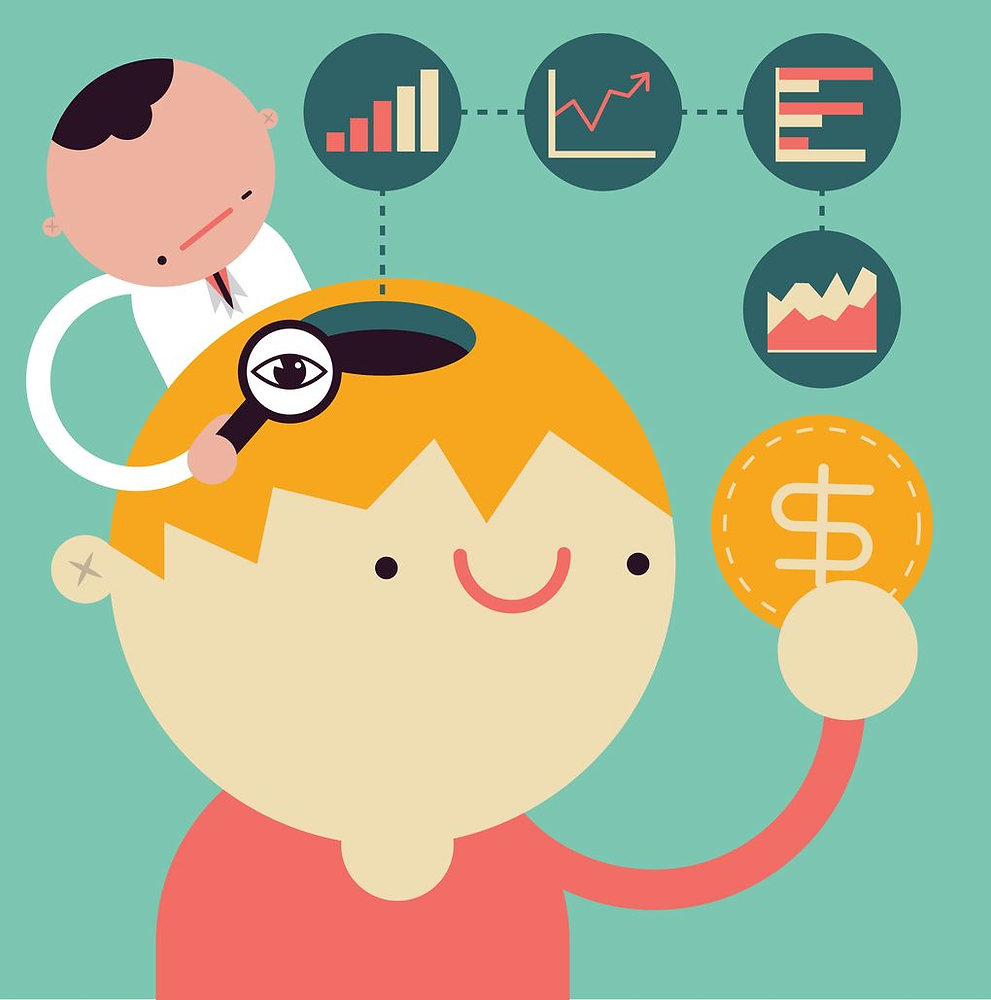
Modern advertising heavily depends on Behavioral Finance principles.
Limited-time offers.
Fear of missing out.
Luxury positioning.
Emotional branding.
Companies understand human psychology extremely well.
They know people buy emotionally first…
Then justify purchases logically afterward.
This is why emotional awareness became extremely important financially.
Because people who understand psychological triggers often make calmer financial decisions.
Saving Money Is More Psychological Than Mathematical
Many people think saving money is simply about math.
Spend less than you earn.
But emotionally, saving can feel difficult.
Especially in a culture built around consumption and instant gratification.
Behavioral Finance explains that successful saving often depends more on systems than motivation.
Automatic savings.
Budgeting systems.
Reduced temptation.
Because motivation changes constantly.
Systems create consistency.
Financial Discipline Often Depends on Emotional Awareness
One of the biggest lessons from Behavioral Finance is that self-awareness creates financial advantages.
People who recognize emotional triggers often:
- Spend more intentionally
- Avoid impulsive decisions
- Save more consistently
- Invest more rationally
- Handle financial stress better
And over decades, avoiding repeated emotional mistakes becomes incredibly valuable financially.
Behavioral Finance Changed the Way Experts Understand Money
Behavioral Finance transformed modern financial thinking because it recognized something traditional finance often ignored:
Humans are emotional.
And emotional behavior shapes financial outcomes constantly.
Fear influences investing.
Stress influences spending.
Social pressure influences debt.
Immediate gratification influences saving.
Understanding money now requires understanding psychology too.
Because financial success is not only about income or intelligence.
It is also about:
- Emotional discipline
- Self-awareness
- Long-term thinking
- Understanding human behavior
And in a world filled with nonstop advertising, social comparison, instant shopping, and emotional pressure…
Those psychological skills quietly became some of the most valuable financial advantages anyone can develop.