
Fear of Missing Out Quietly Drives More Financial Decisions Than Most People Realize

Behavioral Finance explains that people rarely make financial decisions completely independently.
Human behavior is strongly influenced by emotions, social environments, and psychological pressure.
And one of the strongest emotional forces in modern finance is fear of missing out.
Also known as FOMO.
People fear missing investment opportunities.
Fear missing financial success.
Fear being left behind socially.
And emotionally, this pressure can become extremely powerful.
Especially in a world where financial comparison exists constantly online.
Social Media Intensified Financial Comparison
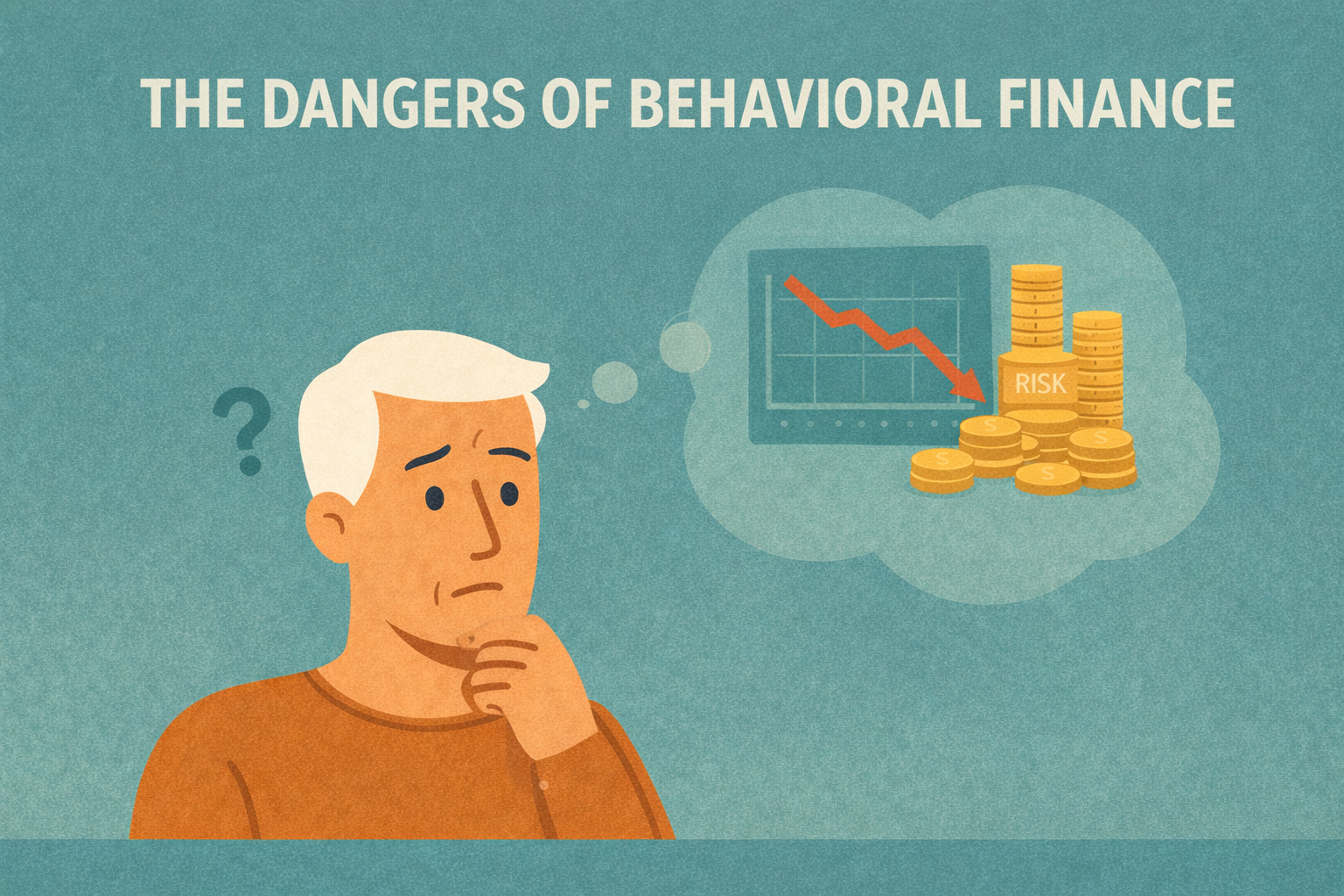
Modern financial culture is built around visibility.
People constantly see:
- Investment gains
- Luxury lifestyles
- Expensive purchases
- Business success stories
- “Easy money” content
And Behavioral Finance explains that repeated exposure changes behavior psychologically.
Someone always appears richer.
More successful.
Financially ahead.
This creates emotional discomfort.
And emotionally uncomfortable people often begin making financial decisions designed to reduce those feelings.
Not necessarily improve long-term financial stability.
FOMO Creates Emotional Investing
One of the clearest examples of Behavioral Finance appears in investing.
When markets rise quickly, social excitement spreads fast.
People begin seeing:
- Viral stock discussions
- Huge gains online
- Stories about fast wealth
- Influencers promoting opportunities
And emotionally, many investors begin feeling pressure to participate immediately.
Not because they fully understand the investment…
But because they fear missing potential profits.
Behavioral Finance explains that humans naturally follow group excitement during uncertainty.
Especially when emotions become intense.
Emotional Urgency Reduces Rational Thinking
FOMO creates psychological urgency.
And urgency changes decision-making dramatically.
People stop thinking long-term.
Stop analyzing risks carefully.
Stop behaving patiently.
Instead, emotions begin controlling decisions.
Behavioral Finance shows that emotionally urgent situations often reduce rational thinking because the brain prioritizes immediate emotional relief over objective analysis.
The goal becomes avoiding regret emotionally.
Not necessarily making the best financial decision logically.
Humans Naturally Compare Themselves to Others
Comparison is deeply connected to human psychology.
People compare income.
Lifestyles.
Success.
Financial progress.
And Behavioral Finance explains that social comparison strongly influences emotional well-being.
When people feel financially behind, emotional pressure increases.
This creates dangerous behavior:
Overspending to maintain appearances.
Taking excessive investment risks.
Borrowing to support lifestyles.
Many financial decisions are driven less by personal needs and more by emotional reactions to other people’s lives.
Herd Behavior Shapes Financial Markets Constantly
Behavioral Finance also studies herd behavior.
Humans naturally feel safer following groups.
If everyone appears excited about a financial opportunity, people often assume the crowd must be correct.
This creates collective emotional momentum.
And emotionally driven momentum can become extremely powerful in markets.
Bubbles form.
Speculation increases.
Risk-taking becomes normalized.
Behavioral Finance explains that humans frequently copy collective emotional behavior instead of making fully independent rational decisions.
Financial Decisions Often Become Emotional Validation
Many people emotionally connect financial success with self-worth.
Money becomes linked to:
- Status
- Identity
- Confidence
- Social approval
And once money becomes emotional validation, financial behavior changes significantly.
People spend emotionally to feel successful.
Invest aggressively to feel smart.
Take risks to feel socially relevant.
Behavioral Finance explains that emotional identity strongly influences money behavior.
Especially in environments built around comparison and visibility.
Instant Gratification Intensifies FOMO
Modern technology made immediate action extremely easy.
Buy instantly.
Invest instantly.
Borrow instantly.
And emotionally, instant access intensifies impulsive behavior.
Behavioral Finance explains that humans naturally prefer immediate emotional rewards over delayed long-term benefits.
This becomes especially dangerous during emotionally charged financial trends.
Because emotional excitement often creates impulsive decisions without proper long-term thinking.
Emotional Spending Often Starts With Comparison
Many purchases are not about necessity.
They are about emotional positioning.
People buy things because they want to:
- Feel successful
- Feel accepted
- Feel admired
- Avoid feeling behind
Behavioral Finance explains that emotional comparison often drives consumer behavior more strongly than practical utility.
And social media amplified this dramatically by making comparison constant.
Fear of Missing Out Creates Financial Insecurity
Ironically, people often pursue financial decisions emotionally in search of security…
Only to create greater instability later.
Overspending creates debt.
Emotional investing creates losses.
Aggressive risk-taking creates stress.
Behavioral Finance explains that emotionally reactive decisions often prioritize short-term emotional relief over long-term financial stability.
And over time, repeated emotional decisions quietly create financial pressure.
Marketing Uses FOMO Constantly
Modern advertising heavily depends on Behavioral Finance principles.
Limited-time offers.
Exclusive opportunities.
Urgent promotions.
These strategies intentionally trigger emotional fear of missing out.
Companies understand that humans are highly sensitive to scarcity and urgency psychologically.
And emotionally triggered consumers often spend faster and think less critically.
Behavioral Finance explains that emotional pressure can strongly influence purchasing behavior.
Especially when combined with social validation and urgency.
Emotional Investing Usually Creates Inconsistency
FOMO heavily influences investors too.
People buy during hype.
Sell during fear.
Chase trends impulsively.
This creates inconsistent financial behavior.
And inconsistent behavior often creates inconsistent long-term results.
Behavioral Finance explains that emotional discipline matters enormously because financial markets constantly amplify fear and greed.
Especially during periods of strong collective excitement.
Long-Term Financial Thinking Requires Emotional Control

One of the biggest challenges in Behavioral Finance is delayed gratification.
Long-term financial success often requires:
- Patience
- Discipline
- Emotional stability
- Ignoring short-term social pressure
But emotionally, humans naturally crave immediate rewards and validation.
This creates internal conflict.
Behavioral Finance explains that successful financial behavior often depends on resisting emotional impulses repeatedly over long periods.
Self-Awareness Creates Financial Advantages
One of the most powerful Behavioral Finance lessons is that self-awareness improves financial behavior.
People who recognize emotional triggers often:
- Spend more intentionally
- Avoid impulsive investing
- Handle comparison more calmly
- Think more independently
- Make more rational long-term decisions
And over time, avoiding emotionally reactive behavior creates enormous financial advantages.
Because repeated emotional mistakes become extremely expensive over decades.
Financial Freedom Requires Independent Thinking
Behavioral Finance shows that many financial problems begin when people stop making independent decisions.
Instead, they follow:
- Social pressure
- Group excitement
- Emotional trends
- Fear-driven urgency
But sustainable financial stability usually requires emotional independence.
The ability to:
- Ignore unnecessary comparison
- Resist impulsive behavior
- Think long-term
- Stay disciplined during emotional situations
And in a world built around visibility, comparison, instant gratification, and nonstop emotional stimulation…
That emotional independence quietly became one of the most valuable financial skills anyone can develop.