
Loans are often presented as simple financial tools.
Borrow money now.
Pay it later.
And in some situations, debt can absolutely be useful.
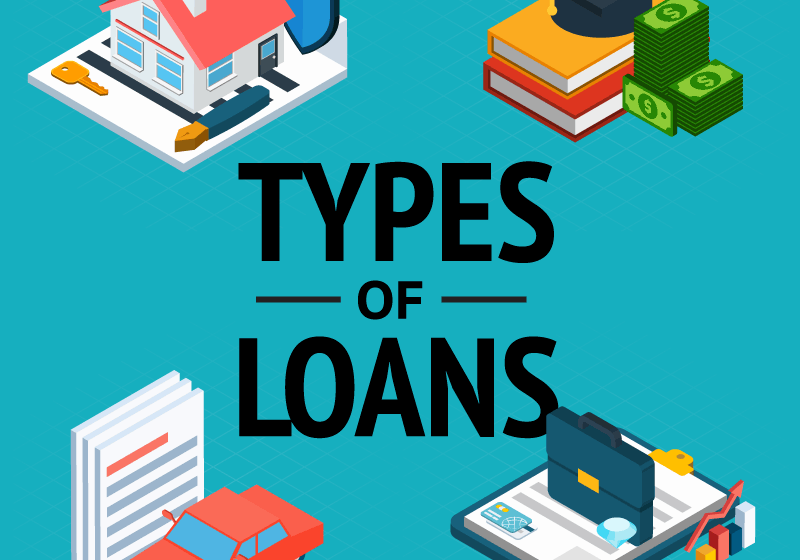
Loans can help people:
- Buy homes
- Pay for education
- Handle emergencies
- Start businesses
- Manage temporary financial difficulties
But loans also create something many people underestimate:
Psychological pressure.
Because debt affects much more than monthly payments.
It affects emotions, decision-making, stress levels, and long-term financial freedom.
And for millions of people, debt slowly becomes part of everyday life without them realizing how deeply it influences behavior.
Modern Society Made Borrowing Feel Normal
Years ago, borrowing money often felt serious.
People approached debt cautiously.
Loans carried emotional weight.
Financial obligations felt important.
Today, borrowing became deeply normalized.
Credit cards.
Financing plans.
Buy-now-pay-later systems.
Instant online loans.
Modern financial systems constantly encourage consumption through borrowing.
Advertisements focus on:
- Low monthly payments
- Fast approval
- Immediate access
- Financial convenience
As a result, many people emotionally focus on short-term affordability instead of long-term financial cost.
And this psychological shift quietly changes spending behavior.
Monthly Payments Quietly Reduce Financial Flexibility
One of the biggest hidden effects of loans is reduced flexibility.
At first, individual payments may seem manageable.
But over time, obligations accumulate.
Car payments.
Credit card balances.
Personal loans.
Subscriptions.
Financing plans.
Eventually, many people realize most of their income is already committed before they even receive it.
This creates emotional pressure.
Because financial freedom is not only about income.
It is also about having room to make choices without constant financial obligations controlling every decision.
Debt Creates Ongoing Psychological Stress
Many people underestimate the emotional impact of debt.
Debt creates invisible mental pressure every day.
Constant bills.
Interest payments.
Fear of emergencies.
Anxiety about missing payments.
Even when people appear financially stable externally, debt can quietly create chronic stress internally.
And long-term financial stress often affects:
- Sleep quality
- Mental health
- Relationships
- Emotional stability
- Decision-making
Loans do not only affect bank accounts.
They affect emotional well-being too.
Emergency Borrowing Often Creates Long-Term Problems
Many people first enter debt because of emergencies.
Medical expenses.
Car repairs.
Job loss.
Unexpected bills.
Without savings, borrowing may feel like the only immediate option available.
And sometimes it truly is necessary.
But Behavioral Finance shows that emergency borrowing often creates long-term financial pressure because repayment continues long after the emergency disappears.
This creates cycles.
A person borrows money to solve one problem…
Then spends months or years recovering financially afterward.
And during repayment, another emergency may appear.
Interest Quietly Expands Financial Pressure
One reason debt becomes dangerous is interest.
Many borrowers emotionally focus only on monthly payments.
But interest dramatically changes total financial cost over time.
Especially with:
- Credit cards
- High-interest personal loans
- Revolving debt
Small balances can grow much larger than people initially expect.
And once interest compounds against borrowers, escaping debt becomes increasingly difficult psychologically and financially.
Debt stops feeling temporary.
It starts feeling permanent.
Emotional Spending Frequently Leads to Borrowing
Many borrowing decisions are emotional before they are practical.
People spend because they feel:
Stress.
Exhaustion.
Insecurity.
Pressure.
Loneliness.
And when available cash disappears, borrowing becomes tempting.
Credit systems make emotional spending extremely easy.
Swipe now.
Pay later.
But emotional borrowing often creates future stress far larger than the temporary emotional relief spending initially provided.
Lifestyle Pressure Quietly Increases Debt
Modern culture constantly encourages visible success.
Luxury lifestyles online.
Expensive products.
Status-driven consumption.
As a result, many people borrow money not only for necessities…
But to maintain appearances socially.
Behavioral Finance explains that humans are strongly influenced by comparison and social validation.
This creates dangerous financial behavior:
Financing lifestyles beyond income.
Using debt for status.
Prioritizing appearances over stability.
And emotionally, these habits become normalized surprisingly quickly.
Debt Reduces Long-Term Financial Freedom
One of the biggest hidden costs of loans is reduced future flexibility.
Debt limits options.
The ability to:
- Change careers
- Take financial risks carefully
- Handle emergencies calmly
- Save consistently
- Build investments
When large portions of income are already committed to debt payments, freedom slowly decreases.
And many people do not fully realize this until financial pressure becomes overwhelming.
Financial Stress Changes Human Behavior
Debt also changes psychology.
People under financial pressure often become:
- More anxious
- More reactive
- More short-term focused
- Less patient
Behavioral Finance explains that financial stress increases emotional decision-making while reducing long-term thinking.
This can create dangerous cycles:
Stress leads to poor decisions.
Poor decisions increase financial pressure.
Financial pressure creates more stress.
And without intervention, the cycle can continue for years.
Not All Debt Is Equally Dangerous
Loans themselves are not automatically bad.
Some debt can support long-term growth.
Education loans.
Business loans.
Real estate financing.
When used carefully and strategically, borrowing can sometimes improve long-term opportunities.
The real problem begins when debt becomes emotional instead of intentional.
Borrowing impulsively.
Borrowing repeatedly.
Borrowing to maintain unsustainable lifestyles.
This is where debt often becomes destructive.
Emergency Savings Reduce Dependence on Loans
One of the strongest financial protections people can build is an emergency fund.
Savings create emotional breathing room.
They reduce panic.
Reduce desperation.
Reduce dependence on high-interest borrowing.
People with emergency savings usually make calmer financial decisions because they have options.
And financially, options create freedom.
Financial Discipline Often Matters More Than Income
Many people believe higher income automatically creates financial stability.
But behavior matters enormously too.
A person with high income and uncontrolled debt can still feel financially trapped.
Meanwhile, someone with moderate income but disciplined borrowing habits may build much greater long-term stability.
Because financial freedom is not only about earning money.
It is also about controlling obligations.
Loans Become Dangerous When They Replace Planning
Debt becomes especially risky when borrowing replaces financial planning entirely.
Using loans constantly to:
- Cover overspending
- Solve repeated emergencies
- Maintain appearances
- Support unsustainable lifestyles
Eventually creates emotional and financial exhaustion.
Because every borrowed dollar eventually demands repayment.
Usually with interest.
And over time, these obligations quietly reduce freedom, flexibility, and peace of mind.
Real Financial Stability Usually Looks Less Impressive
Modern culture glorifies visible consumption.
Luxury.
Status.
Instant gratification.
But real financial stability often looks much quieter.
Controlled spending.
Emergency savings.
Careful borrowing.
Long-term planning.
These habits may not attract attention online…
But they create something far more valuable in real life:
Peace of mind.
And in a world where borrowing became emotionally easy and socially normalized…
Learning how to control debt may quietly become one of the most valuable financial skills anyone can develop.