
One of the biggest misconceptions about investing is the belief that wealth should happen quickly.
Many people enter financial markets expecting dramatic transformation within months.
Fast profits.
Rapid portfolio growth.
Immediate financial freedom.
And when reality moves slower than expected, frustration begins.
People start questioning their strategy.
Their investments.
Their decisions.
Some stop investing completely.
But long-term wealth was never designed to feel fast.
Real investing usually works quietly in the background for years before results become truly noticeable.
And understanding this changes the way people approach financial growth entirely.
Modern Culture Trained People to Expect Instant Results
Today’s world moves extremely fast.
Entertainment is instant.
Shopping is instant.
Information is instant.
As a result, patience became increasingly difficult for many people.
People naturally expect investing to behave the same way.
But financial markets operate differently.
Compounding requires time.
Growth requires consistency.
Stability requires discipline.
Unfortunately, social media often creates unrealistic expectations about how investing actually works.
Every day, people see:
- Massive gains
- Viral trades
- “Easy money” stories
- Luxury lifestyles connected to investing
This creates emotional pressure to succeed quickly.
But sustainable investing rarely looks dramatic in the beginning.
The Early Stages of Investing Often Feel Underwhelming
One reason many people quit investing too early is because the beginning feels slow.
Small contributions may appear insignificant initially.
The portfolio grows…
But not dramatically.
This frustrates many beginners because modern culture rewards visible progress immediately.
But investing is different.
The early years are often the quietest years.
Compounding works slowly at first…
Then accelerates later.
And investors who remain consistent long enough often experience growth that initially seemed impossible.
Emotional Reactions Destroy Long-Term Consistency
Financial markets constantly create emotional pressure.
When prices rise rapidly, excitement spreads.
When markets fall suddenly, fear appears instantly.
And emotional reactions often lead to destructive decisions.
Buying during hype.
Selling during panic.
Chasing trends emotionally.
Most investing mistakes happen emotionally before they happen financially.
This is why emotional discipline matters enormously.
Because successful investing is rarely about perfect predictions.
It is usually about remaining consistent during uncertainty.
Comparison Quietly Makes Investing Harder
Social media intensified investing anxiety dramatically.
People constantly compare:
- Portfolios
- Returns
- Profits
- Financial progress
Someone always appears richer or more successful financially.
This creates invisible emotional pressure.
Many investors begin taking unnecessary risks simply because they feel financially behind.
But investing is deeply personal.
Different investors have different:
- Goals
- Risk tolerance
- Income levels
- Time horizons
And constantly comparing results usually damages emotional discipline more than it improves performance.
Investing Is More About Systems Than Excitement
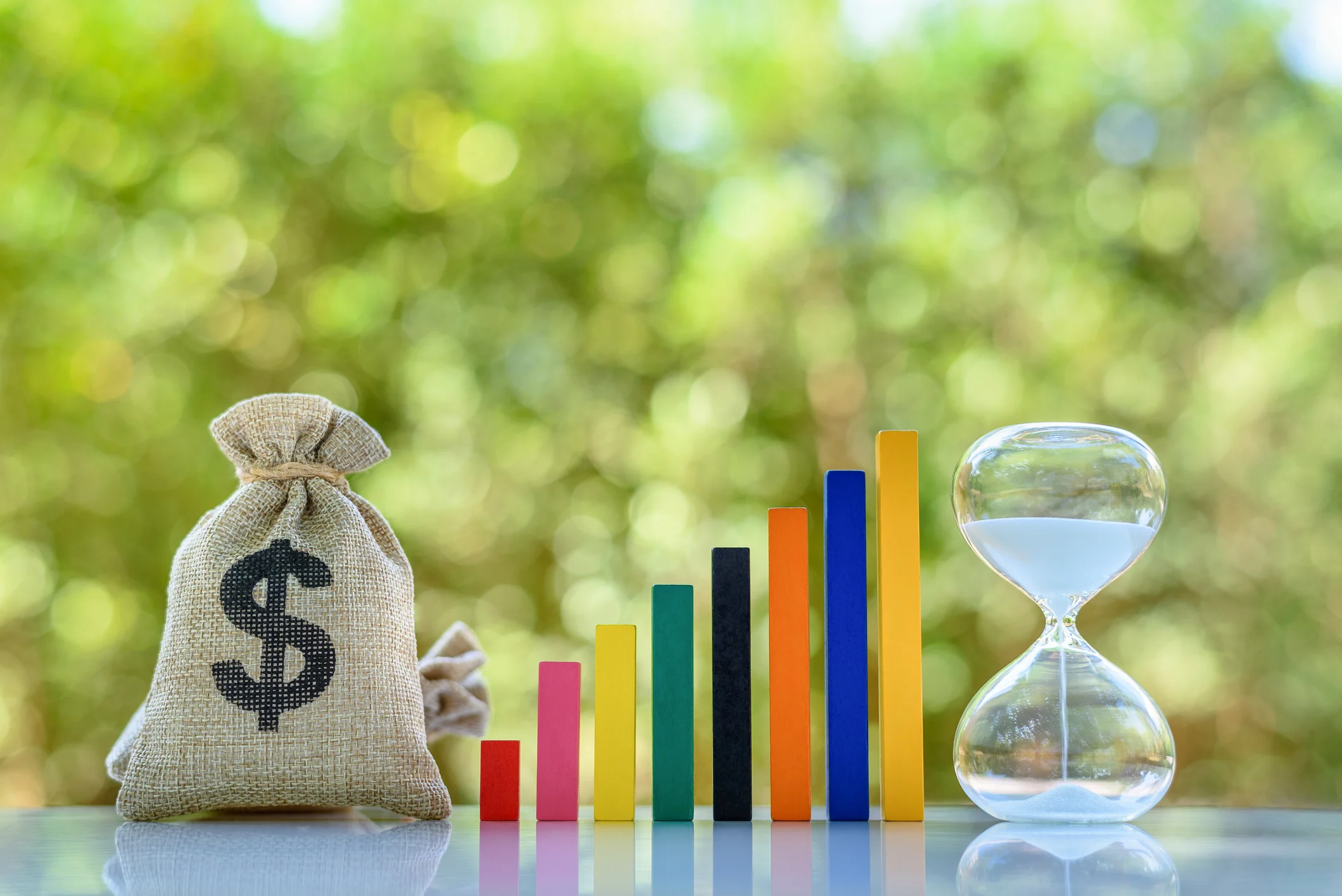
Many beginners search constantly for the perfect investment.
The perfect stock.
The perfect market opportunity.
The perfect prediction.
But experienced investors usually focus more on systems.
Consistent systems.
Disciplined systems.
Long-term systems.
Because investing success rarely comes from one dramatic decision.
It usually comes from repeated disciplined behavior over long periods of time.
Consistent investing.
Controlled risk.
Emotional stability.
These habits quietly create long-term financial growth.
Risk Management Matters More Than Most Beginners Realize
Many new investors focus almost entirely on profits.
Very few focus seriously on protecting themselves from losses.
But successful investing is not only about making money.
It’s about surviving emotionally and financially long enough for compounding to work.
This requires risk management.
Diversification.
Controlled exposure.
Realistic expectations.
Without risk management, emotional pressure becomes much stronger during market volatility.
And emotional investors often make impulsive decisions during temporary downturns.
Long-Term Investors Usually Think Differently
Many beginner investors focus heavily on daily market movements.
But experienced investors often focus on years instead of days.
Because time changes everything in investing.
Time allows:
- Compounding
- Recovery from volatility
- Portfolio expansion
- Reduced emotional pressure
And investors who think long-term usually react less emotionally to temporary uncertainty.
They understand that markets naturally fluctuate.
Volatility is part of the process.
Constant Market Monitoring Creates Emotional Fatigue
Modern investing culture encourages nonstop attention.
Breaking news.
Portfolio apps.
Price alerts.
Daily predictions.
As a result, many investors monitor markets emotionally throughout the day.
This creates mental exhaustion.
Because financial markets naturally move constantly.
And emotionally attaching yourself to every market movement usually increases stress more than performance.
Long-term investors often benefit from focusing less on daily volatility and more on long-term consistency.
Wealth Is Usually Built Quietly
The internet glorifies dramatic financial success.
Fast gains.
Luxury lifestyles.
Huge profits.
But sustainable investing usually looks much quieter.
Consistent investing.
Patience.
Long-term discipline.
Controlled emotions.
These habits may not create exciting online content…
But they create something far more valuable in real life:
Financial stability.
And stability quietly becomes freedom over time.
Small Consistent Investments Become Powerful
Many people delay investing because they believe they need large amounts of money to start.
But investing success often depends more on consistency than intensity.
Small investments made regularly over long periods can become extremely powerful through compounding.
The earlier someone starts, the more time works in their favor.
And time remains one of the greatest financial advantages an investor can have.
Investing Requires Emotional Patience
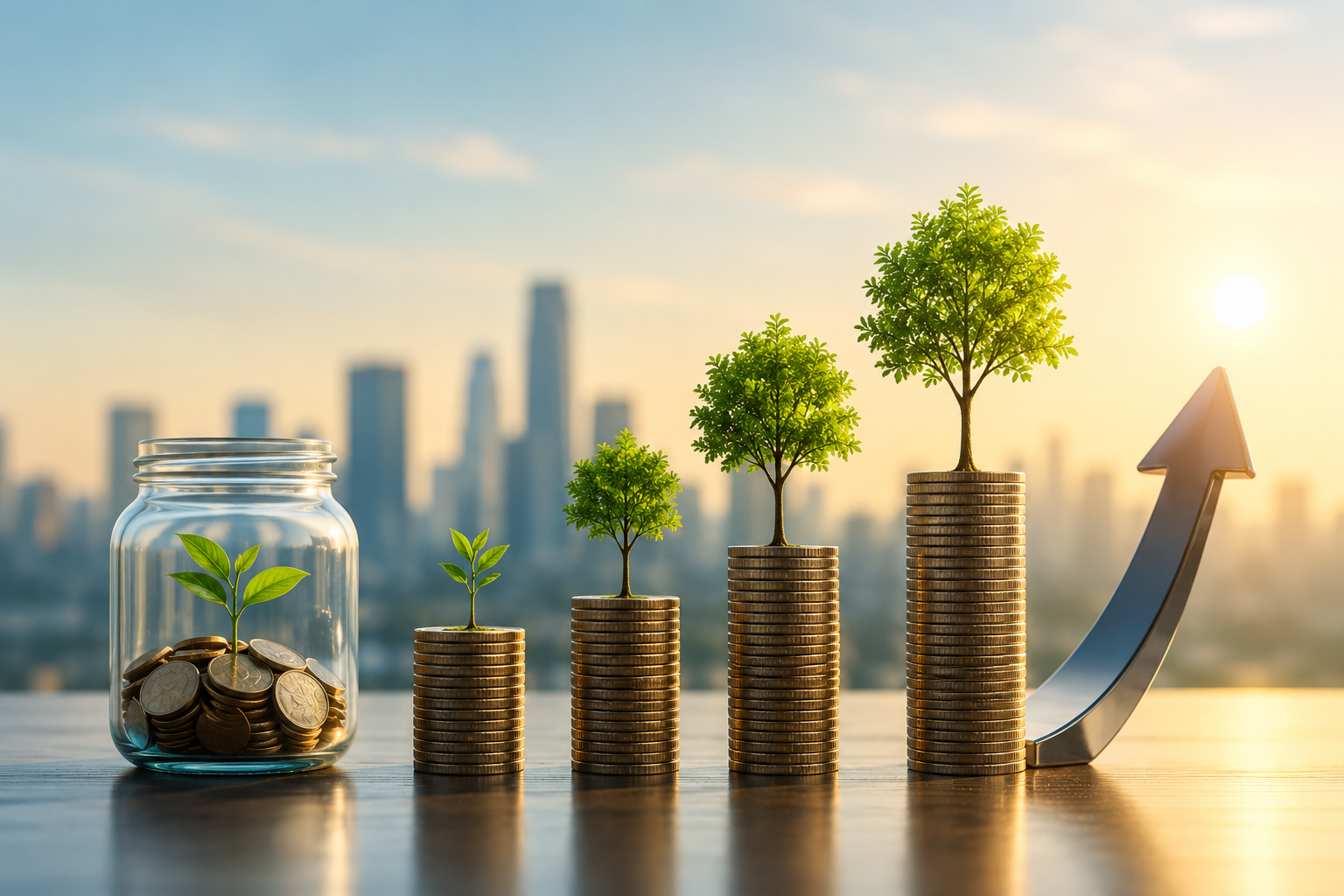
One of the hardest parts of investing is remaining disciplined when results feel slow.
Humans naturally crave visible progress.
But investing rewards delayed gratification.
This creates emotional discomfort for many people.
Especially during periods of market uncertainty or slow growth.
But emotionally patient investors often gain enormous long-term advantages simply because they continue investing consistently while others quit emotionally.
Financial Freedom Rarely Happens Overnight
Modern culture glorifies instant success.
But sustainable financial freedom is usually built gradually.
Through habits.
Through consistency.
Through discipline.
Real wealth often grows quietly for years before becoming noticeable externally.
And people who understand this emotionally usually make much better long-term decisions.
Because they stop chasing excitement…
And start building systems.
Consistency Usually Beats Intensity
Many people approach investing emotionally.
Huge risks.
Aggressive decisions.
Short-term excitement.
But sustainable investing is usually much calmer.
Consistent contributions.
Controlled behavior.
Long-term thinking.
These habits may appear boring externally.
But financially, they become incredibly powerful over decades.
Because investing success is rarely about one perfect moment.
It’s about repeated disciplined decisions made consistently over time.
And in a world obsessed with speed, hype, and instant gratification…
The ability to stay patient may quietly become one of the greatest financial advantages an investor can develop.