
When people think about investing mistakes, they usually imagine choosing the wrong stock.
A bad company.
A poor market decision.
An investment that crashes unexpectedly.
But in reality, many investors lose money for a completely different reason:
Their emotions.
Fear.
Greed.
Impatience.
Overconfidence.
These emotional reactions quietly influence financial decisions every single day.
And in modern investing culture, emotional pressure became stronger than ever.
Because today’s investors are surrounded constantly by:
- Market noise
- Viral opinions
- Financial influencers
- Breaking news
- Social media comparison
As a result, many people enter financial markets emotionally overwhelmed before they even realize it.
Investing Became Emotionally Overstimulating
Years ago, investing moved more slowly.
People checked markets less frequently.
Information traveled slower.
Decisions felt more deliberate.
Today, markets exist permanently inside people’s pockets.
Every notification creates emotional reactions.
A stock rises…
Excitement appears.
A market drops…
Fear spreads instantly.
This nonstop exposure creates emotional overstimulation.
And emotionally overstimulated investors often struggle to remain disciplined long-term.
Fear and Greed Control More Decisions Than Logic
Financial markets constantly trigger two powerful emotions:
Fear and greed.
When prices rise quickly, people fear missing opportunities.
When prices fall, people fear losing money.
And these emotional reactions often lead investors to make destructive decisions.
Buying emotionally during hype.
Selling emotionally during panic.
Taking risks they do not fully understand.
Most investing mistakes are not caused by lack of intelligence.
They are caused by emotional reactions during uncertainty.
The Internet Made Patience Feel Outdated
Modern culture rewards speed.
Fast entertainment.
Fast information.
Fast results.
As a result, many people expect investing to produce rapid financial transformation too.
But real investing usually works slowly.
Compounding requires time.
Portfolio growth requires consistency.
Financial freedom requires patience.
Unfortunately, patience feels emotionally uncomfortable in a world obsessed with immediacy.
And many investors abandon good strategies simply because progress initially feels “too slow.”
Constant Comparison Quietly Destroys Discipline
Social media changed investing psychology dramatically.
Every day, investors compare themselves to strangers online.
Someone always appears:
- Richer
- More successful
- Making larger profits
- Growing faster financially
This creates emotional pressure.
Many investors begin chasing unrealistic returns because they feel financially behind.
But comparison is dangerous because it shifts focus away from long-term strategy and toward emotional validation.
And emotionally driven investing rarely remains consistent.
Investing Without a Plan Creates Emotional Chaos
Many beginner investors enter financial markets without a clear strategy.
They buy investments based on:
- Trends
- Opinions
- Social media hype
- Fear of missing out
But without structure, every market movement feels personal.
Every downturn creates panic.
Every rally creates excitement.
And emotional reactions become much stronger without a clear framework guiding decisions.
A strategy creates emotional stability during uncertainty.
Without one, emotions usually take control eventually.
Risk Management Matters More Than Excitement
Many people focus almost entirely on potential profits.
Very few think seriously about protecting themselves from losses.
But successful investing is not just about making money.
It’s about surviving emotionally and financially long enough for compounding to work.
This requires:
- Diversification
- Controlled exposure
- Realistic expectations
- Emotional discipline
Without risk management, volatility becomes emotionally overwhelming much faster.
And emotionally overwhelmed investors often make impulsive decisions during difficult periods.
Successful Investing Usually Feels Repetitive

One of the biggest misconceptions about investing is the belief that successful investors constantly make exciting decisions.
In reality, many successful investors follow surprisingly repetitive habits.
Consistent investing.
Long-term thinking.
Controlled risk.
Emotional patience.
This process may look boring externally.
But over years and decades, repeated disciplined behavior becomes extremely powerful.
And financially, consistency usually beats emotional intensity.
Market Volatility Is Normal
Many beginner investors emotionally panic during volatility because they assume market downturns mean something is “wrong.”
But volatility is part of investing.
Corrections are normal.
Uncertainty is normal.
Temporary fear is normal.
Experienced investors understand this emotionally.
They know markets naturally fluctuate over time.
And investors who remain disciplined during difficult periods often place themselves in stronger long-term positions later.
Emotional Investing Creates Exhaustion
Constant market monitoring creates mental fatigue.
Checking portfolios repeatedly.
Watching financial news nonstop.
Reacting emotionally to headlines.
All of this increases stress.
And emotionally exhausted investors often struggle to make rational long-term decisions.
Long-term investing requires emotional endurance.
Not nonstop emotional stimulation.
This is why many disciplined investors intentionally reduce unnecessary market noise.
Because protecting emotional stability matters enormously.
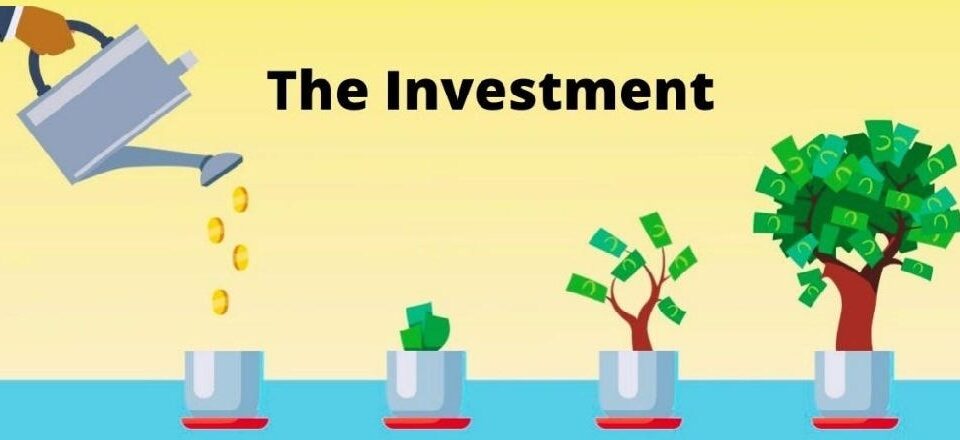
Compounding Rewards Consistency

One of the most powerful forces in investing is compounding.
But compounding works quietly at first.
This frustrates many beginners.
Small investments initially seem insignificant.
But over time, growth accelerates dramatically.
The investors who benefit most from compounding are usually not the most emotional or aggressive.
They are often the most consistent.
Consistency allows time to work.
And time changes everything in investing.
Wealth Is Usually Built Through Calm Decisions
The internet made investing look dramatic.
Fast gains.
Luxury lifestyles.
Huge profits.
But real wealth is usually built much more quietly.
Through:
- Patience
- Discipline
- Emotional control
- Consistent investing
- Long-term thinking
These habits may not attract attention online…
But they create something far more valuable in real life:
Financial stability.
And financial stability often becomes emotional freedom over time.
Long-Term Investing Is More About Behavior Than Predictions
Many people believe investing success depends on predicting markets perfectly.
But nobody predicts markets consistently all the time.
The real advantage usually comes from behavior.
The ability to:
- Stay calm during uncertainty
- Avoid emotional decisions
- Remain consistent
- Think long-term
These qualities quietly create enormous financial advantages over decades.
Especially in emotionally chaotic markets.
Calm Investors Often Win More Than Brilliant Investors
Highly intelligent people still make terrible financial decisions when emotions take control.
Fear and greed affect almost everyone.
This is why emotional discipline matters so much.
Because investing success is rarely about being the smartest person in the market.
It’s often about remaining calm while others react emotionally.
And in a world filled with nonstop financial noise, hype, and comparison…
The ability to invest patiently and emotionally calmly may quietly become one of the most valuable investing skills anyone can develop.