

Modern society celebrates visible success.
Luxury cars.
Expensive vacations.
Designer brands.
Large houses.
Perfect online lifestyles.
Every day, people are surrounded by images designed to make wealth look loud, exciting, and immediate.
But real financial stability often looks completely different.
In many cases, true financial security is quiet.
Very quiet.
No constant need to impress.
No endless lifestyle upgrades.
No pressure to prove success to strangers online.
Just stability.
Control.
Peace of mind.
And ironically, many people spend years chasing the appearance of wealth while completely ignoring the habits that actually create long-term financial security.
Most People Are Under Constant Financial Pressure

For millions of individuals, financial stress became part of everyday life.
Paying bills.
Managing debt.
Worrying about emergencies.
Trying to keep up financially.
Even people with decent incomes often feel emotionally exhausted by money.
And over time, many begin believing this pressure is simply normal adulthood.
But constant financial anxiety affects far more than bank accounts.
It affects:
- Mental health
- Relationships
- Confidence
- Sleep quality
- Emotional stability
Money stress quietly follows people everywhere.
And when financial pressure lasts for years, it changes how people experience life itself.
Why Modern Culture Encourages Financial Instability
Today’s economy is heavily built around consumption.
People are constantly encouraged to buy more.
More products.
More upgrades.
More luxury.
More convenience.
Advertisements constantly say:
- “You deserve it.”
- “Upgrade your lifestyle.”
- “Treat yourself.”
At the same time, social media creates nonstop comparison.
Someone always appears richer.
More successful.
More luxurious.
This creates invisible emotional pressure.
Many people begin spending not because they truly need something…
But because they want to feel:
- Successful
- Accepted
- Admired
- Financially ahead
And emotional spending quietly becomes one of the biggest obstacles to financial stability.
Why Higher Income Does Not Always Create Peace
One of the biggest financial myths is the idea that earning more money automatically creates freedom.
And while increasing income absolutely matters, financial stability depends heavily on behavior.
Some people earn modest incomes while building secure financial lives.
Others earn impressive salaries while remaining financially stressed.
Why?
Because as income grows, spending often grows too.
This process is known as lifestyle inflation.
A salary increase becomes:
- A larger apartment
- A more expensive car
- Luxury subscriptions
- More expensive habits
- Higher monthly obligations
Eventually, many individuals realize they are earning more than ever before while still feeling financially trapped.
The pressure simply became more expensive.
Debt Quietly Controls More Lives Than People Realize
Debt became deeply normalized in modern society.
Monthly payments are treated as ordinary life.
Cars.
Phones.
Furniture.
Credit cards.
Subscriptions.
At first, these expenses seem manageable.
But over time, financial obligations accumulate quietly.
And eventually, many people realize most of their income already belongs to bills before they even receive it.
Debt reduces flexibility.
And flexibility is one of the most valuable forms of financial freedom.
The ability to:
- Handle emergencies calmly
- Change careers
- Rest without panic
- Make decisions without desperation
When debt dominates income, those options become limited.
Emotional Spending Creates Invisible Damage
Most spending decisions are emotional before they are logical.
People spend money because they feel:
- Lonely
- Stressed
- Insecure
- Bored
- Emotionally overwhelmed
Buying something new creates temporary emotional relief.
A short burst of excitement.
A feeling of reward.
A sense of control.
But emotional spending rarely solves emotional discomfort permanently.
Instead, it often creates additional financial stress later.
Especially when impulsive spending becomes habitual.
And repeated habits eventually shape long-term financial realities.
Why Financial Discipline Became So Rare
Modern life constantly rewards immediacy.
Fast entertainment.
Fast shopping.
Fast delivery.
Instant gratification.
Patience became increasingly difficult.
But financially, patience remains one of the most valuable skills possible.
Building savings requires patience.
Escaping debt requires patience.
Investing requires patience.
Unfortunately, many people prioritize temporary emotional comfort over long-term financial security.
And repeated short-term decisions eventually create long-term consequences.
The Difference Between Looking Rich and Feeling Secure
Modern culture often confuses visible wealth with real stability.
Someone displaying luxury online may privately struggle with anxiety, debt, and financial pressure.
Meanwhile, financially stable people often live quietly.
Because true financial health usually looks like:
- Controlled spending
- Savings
- Investments
- Low financial stress
- Emergency preparation
- Long-term thinking
And those things rarely attract attention online.
But internally, they create something far more valuable:
Peace.
Why Emergency Savings Change Everything
Unexpected problems are unavoidable.
Job loss.
Medical emergencies.
Economic downturns.
Family crises.
Without financial preparation, even relatively small problems can feel overwhelming.
Emergency savings create breathing room.
They reduce panic.
Reduce desperation.
Reduce emotional financial decisions.
This is why savings matter psychologically as much as financially.
People who feel financially prepared usually think more clearly during difficult moments.
Most Financial Freedom Is Built Through Small Habits
Many people wait for dramatic financial breakthroughs.
A huge opportunity.
A massive salary increase.
A lucky investment.
But long-term financial stability is usually built through repeated small habits.
Saving consistently.
Spending intentionally.
Avoiding unnecessary debt.
Thinking long-term.
Small behaviors compound quietly over time.
And compounding works in both directions.
Good habits create freedom slowly.
Bad habits create stress slowly.
Why Comparison Quietly Destroys Financial Peace
One of the biggest financial dangers today is constant comparison.
Social media creates an environment where people feel permanently behind.
There will always be someone with:
- A bigger house
- A more luxurious vacation
- A newer car
- More visible wealth
And chasing status becomes emotionally exhausting.
Because status has no finish line.
There is always another level.
But peace works differently.
Peace often comes from simplicity.
From control.
From stability.
Not from endless competition.
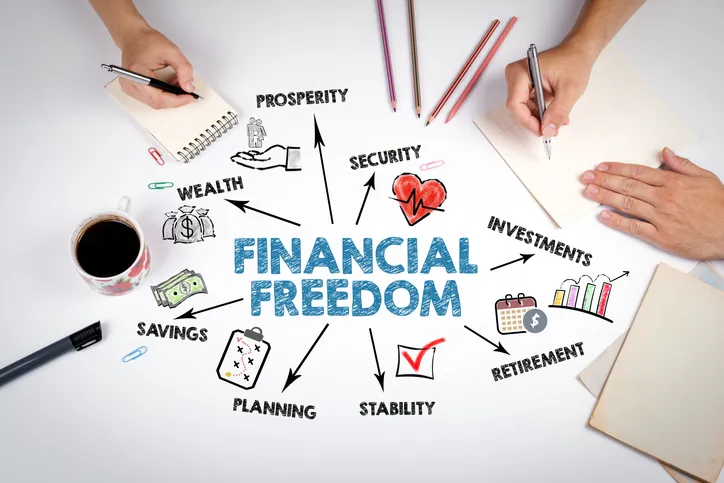
Financial Freedom Is More About Peace Than Luxury
Many people imagine financial freedom as unlimited money.
Luxury homes.
Expensive lifestyles.
Unlimited spending.
But for most individuals, financial freedom is much simpler.
It’s the ability to live without constant financial anxiety.
To sleep peacefully.
To handle emergencies calmly.
To make decisions without panic.
Money alone cannot solve every problem.
But financial stability can remove many forms of chronic stress that quietly damage emotional well-being over time.
And that peace becomes increasingly valuable as life becomes more financially demanding.
Why Real Wealth Often Looks Boring
The internet made wealth look exciting.
Fast success.
Luxury lifestyles.
Visible status.
But real financial stability is often surprisingly boring.
Consistent saving.
Controlled spending.
Long-term investing.
Emotional discipline.
These habits may not attract attention online…
But they create something far more valuable in real life:
Freedom.
Because true wealth is not about impressing strangers with appearances.
It’s about building a life where money creates less stress, less fear, and more control over your future.
And in a world constantly encouraging people to spend more, compare more, and prove more…
Quietly building financial stability may be one of the smartest decisions a person can make.