

Most people think financial problems are only about money.
Not enough income.
Too many bills.
Too much debt.
But financial stress affects far more than bank accounts.
It affects:
- Mental health
- Relationships
- Confidence
- Sleep quality
- Physical health
- Decision-making
- Emotional stability
And for millions of people, financial pressure becomes a permanent background noise in life.
Always present.
Always draining energy.
Always creating anxiety about the future.
What makes this even more dangerous is that many people normalize financial stress completely.
They assume living worried about money is simply part of adulthood.
But constant financial stress changes the way people think, behave, and experience life.
And over time, it can quietly shape an entire future.
Most People Were Never Taught How Money Actually Works
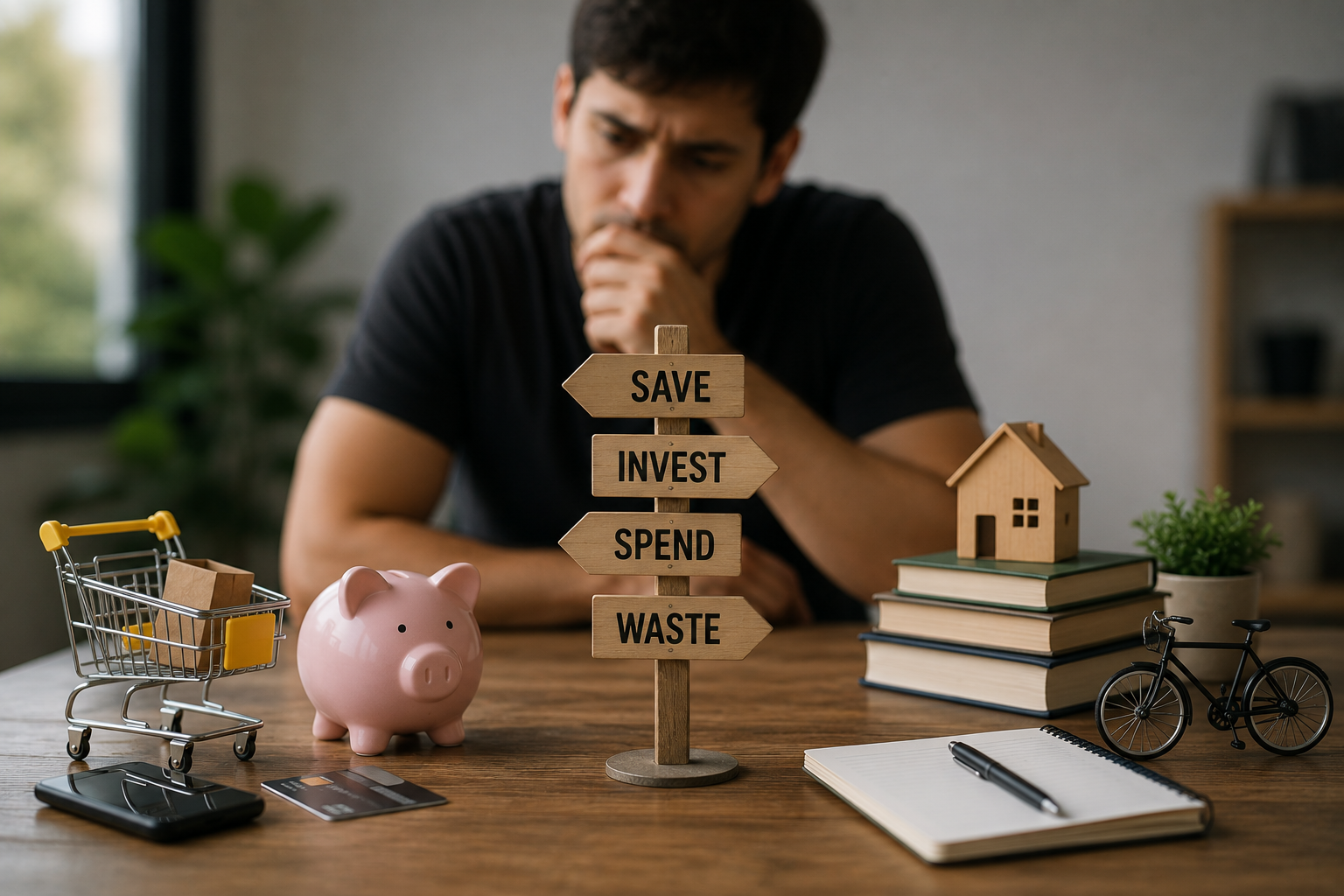
One of the biggest financial problems in modern society is surprisingly simple:
Most people were never properly educated about money.
Schools teach:
- Mathematics
- History
- Science
- Grammar
But very few people are taught:
- Budgeting
- Investing
- Debt management
- Financial planning
- Risk management
- Compound interest
- Emotional spending control
As a result, many adults enter real life financially unprepared.
They know how to work.
But they do not know how to manage money effectively.
And unfortunately, financial mistakes compound over time.
Small misunderstandings become long-term consequences.
Why High Income Does Not Always Create Financial Freedom
Many people believe financial problems disappear once income increases.
But reality often looks very different.
Some individuals earn modest salaries and still build stable financial lives.
Others earn large incomes while remaining constantly stressed about money.
Why?
Because financial freedom is not determined only by income.
It is heavily influenced by behavior.
A person who increases spending every time income grows may remain financially trapped forever.
This is called lifestyle inflation.
As income rises:
- Expenses rise
- Expectations rise
- Monthly obligations rise
And eventually, people become dependent on maintaining increasingly expensive lifestyles.
This creates a dangerous cycle where higher income simply produces larger financial pressure.
Not more freedom.
Social Media Created a New Kind of Financial Pressure
Modern financial stress is no longer caused only by survival needs.
Now it is also caused by comparison.
Every day, people see:
- Luxury vacations
- Expensive cars
- Designer brands
- “Successful” lifestyles
- Viral wealth content
Social media constantly creates the illusion that everyone else is financially ahead.
And comparison quietly changes spending behavior.
People buy things to feel successful.
To look successful.
To avoid feeling behind.
This leads many individuals to spend emotionally rather than intentionally.
And emotional spending often becomes financially destructive over time.
Because trying to impress people is an extremely expensive lifestyle.
The Hidden Emotional Side of Spending
Most financial decisions are not purely logical.
They are emotional.
People spend money because they feel:
- Stressed
- Lonely
- Bored
- Insecure
- Anxious
- Unhappy
Shopping temporarily creates emotional relief.
Buying something new creates stimulation.
A short burst of excitement.
A temporary feeling of control.
But emotional spending rarely solves emotional problems permanently.
Instead, it often creates additional stress later.
Especially when purchases become habits.
This is why financial discipline is deeply connected to emotional awareness.
People who cannot manage emotions often struggle to manage money consistently too.
Debt Quietly Reduces Freedom
Debt is normalized almost everywhere today.
Monthly payments became a standard part of life.
Cars.
Phones.
Furniture.
Subscriptions.
Credit cards.
Loans.
At first, monthly payments seem manageable.
But over time, they accumulate.
And slowly, income becomes controlled by obligations.
This creates hidden pressure.
Many people remain trapped in jobs they dislike simply because their financial responsibilities leave no room for flexibility.
Debt reduces options.
And financial freedom is largely about having options.
The option to:
- Rest
- Change careers
- Take risks
- Build businesses
- Handle emergencies calmly
- Make decisions without desperation
When debt dominates income, those choices become harder.
Why Financial Anxiety Never Fully Disappears for Some People
Many individuals believe they will finally feel calm once they reach a certain income level.
But financial anxiety is often psychological, not purely mathematical.
Some people remain anxious regardless of how much money they earn.
Because financial stress is not always caused by numbers alone.
It can also come from:
- Fear of losing stability
- Childhood financial trauma
- Insecurity about the future
- Lack of financial confidence
- Constant comparison with others
This is why financial education matters beyond money itself.
Understanding money creates clarity.
And clarity reduces fear.
The Difference Between Looking Rich and Being Financially Stable
Modern culture often confuses appearance with wealth.
Someone driving a luxury car may be deeply in debt.
Someone wearing expensive brands may have no savings at all.
Meanwhile, financially stable people often look surprisingly ordinary.
Because real financial security is not always visible externally.
True financial stability often looks like:
- Low financial stress
- Emergency savings
- Controlled expenses
- Long-term investments
- Freedom from constant panic
- Ability to handle unexpected problems calmly
And those things rarely go viral online.
Why Emergency Savings Change Everything
One unexpected expense can completely destabilize someone living without financial preparation.
A medical emergency.
Car repairs.
Job loss.
Family problems.
Without savings, small problems quickly become financial crises.
This is why emergency funds matter so much.
Savings create breathing room.
They reduce panic.
Reduce desperation.
Reduce emotional decision-making.
Financial stability is not only about growing wealth.
It is also about protecting yourself from instability.
Most People Underestimate the Power of Small Habits
Financial success is rarely built through one dramatic decision.
More often, it comes from repeated habits over time.
Small daily behaviors matter enormously.
Spending habits.
Saving habits.
Investing habits.
Budgeting habits.
The problem is that habits feel insignificant in the short term.
But over years, they compound.
And compounding works in both directions.
Good habits create financial growth.
Bad habits create financial stress.
Financial Freedom Is More Emotional Than People Think

Many people assume financial freedom simply means becoming rich.
But for most individuals, financial freedom is actually about emotional peace.
The ability to:
- Sleep without constant money anxiety
- Handle emergencies calmly
- Make choices without desperation
- Enjoy life without financial panic
- Think about the future with confidence
Money alone cannot solve every problem.
But financial stability can remove many chronic stresses that quietly damage quality of life.
And that matters enormously.
What Financially Healthy People Usually Do Differently
Financially stable individuals are not always the highest earners.
But they often share similar behaviors.
They usually:
- Spend intentionally
- Avoid unnecessary debt
- Think long-term
- Control emotional spending
- Build emergency savings
- Continue learning about money
- Live below their means when necessary
These habits may look boring externally.
But financially, they are extremely powerful over time.
The Bigger Picture
Financial health is about far more than numbers inside a bank account.
It affects mental clarity.
Relationships.
Confidence.
Freedom.
Peace of mind.
And in a world where financial stress became normalized, learning how money actually works became one of the most valuable life skills possible.
Because true financial stability is not about impressing people online.
It’s about creating a life where money causes less fear, less panic, and less emotional exhaustion.
And while building financial security takes time, discipline, and patience…
The peace that comes from financial stability is something many people underestimate until they finally experience it themselves.